








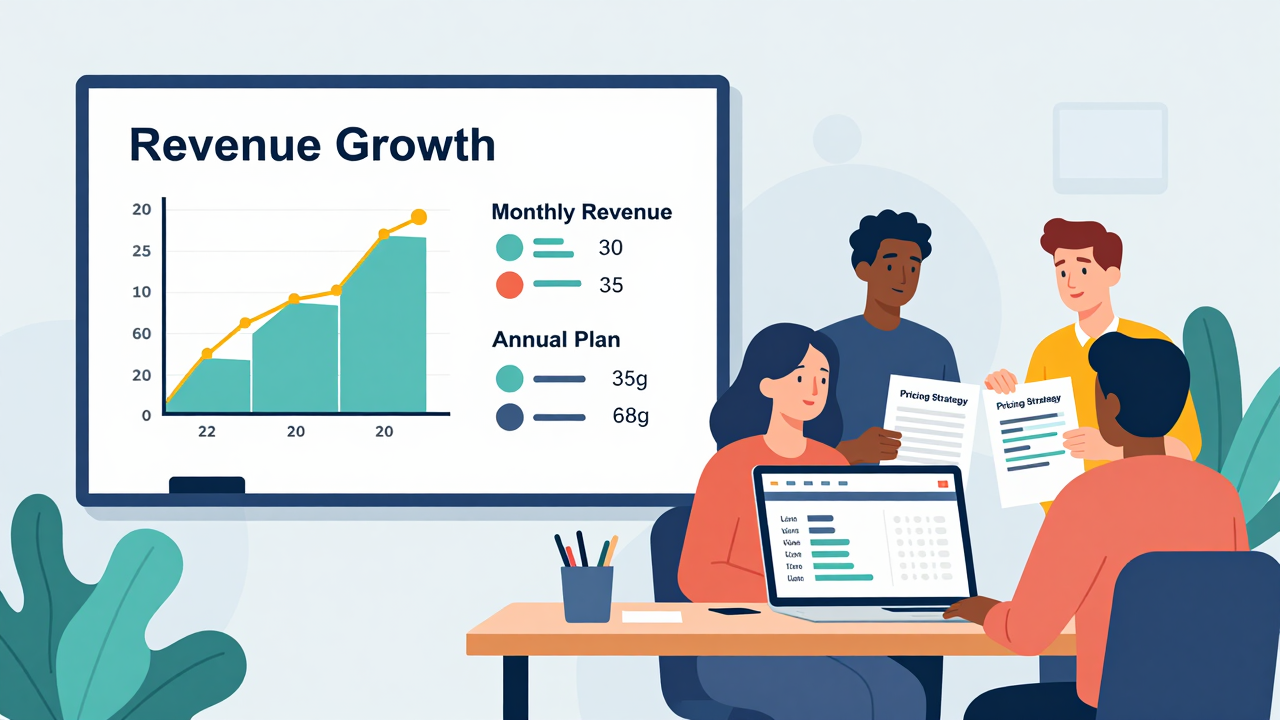
In the subscription economy, pricing can make or break your revenue. You can start by creating a compelling freemium model to attract users, then develop tiered pricing that meets various customer needs. Consider usage-based billing to align costs with actual usage. Don’t overlook targeted promotions to encourage upgrades. By focusing on transparent billing and regularly evaluating key metrics, you’ll set your business up for sustainable growth. Next, let’s explore how to implement these strategies effectively.
Key Takeaways
- Implement a freemium model to attract users and encourage upgrades to premium features, enhancing overall conversion rates.
- Utilize tiered pricing structures to cater to diverse customer needs, clearly communicating benefits to drive upgrades.
- Offer usage-based billing to align costs with actual service utilization, increasing customer satisfaction and loyalty.
- Run targeted promotions and limited-time offers to boost subscriber retention and convert dissatisfied customers into loyal ones.
- Regularly analyze key metrics like MRR and CLTV to refine pricing strategies and ensure market resonance.
Why Pricing Matters in the Subscription Economy
In the subscription economy, pricing is like a compass guiding your business decisions and customer relationships. It directly impacts how subscribers perceive value, their retention, and overall spending.
To thrive, you need effective subscription pricing strategies that resonate with your audience. Start by analyzing your market; understand that the subscription market reached $650 billion in 2020.
Implement tiered and usage-based pricing models, which align costs with customer value. This approach not only boosts satisfaction but also fosters long-term relationships.
Keep an eye on key metrics like monthly recurring revenue (MRR) and customer lifetime value (CLTV)—these will help you gauge the effectiveness of your pricing.
Regularly communicate the benefits of your pricing, and don’t hesitate to adjust based on customer feedback. By doing so, you maintain a competitive edge and maximize revenue in your subscription service.
Creating an Irresistible Freemium Model
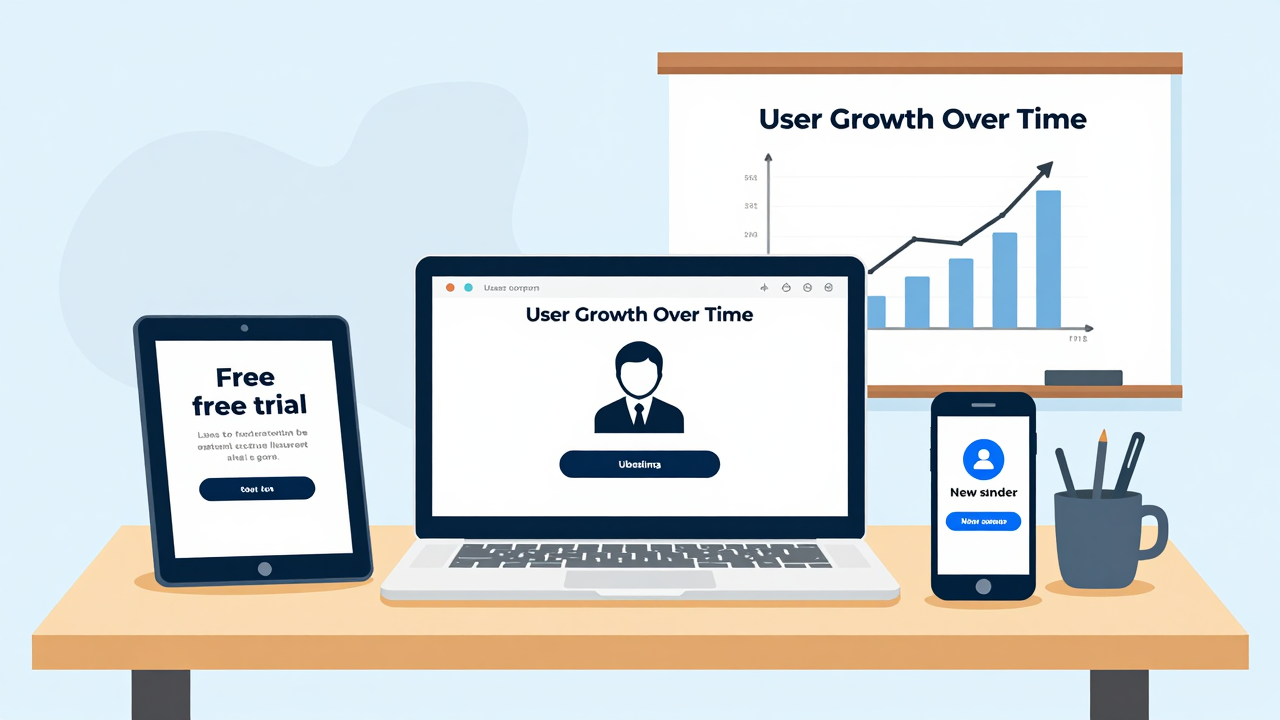
To create an irresistible freemium model, start by offering essential features that users can access for free, which encourages them to engage with your product. This approach allows users to explore your service indefinitely, increasing the likelihood of conversion. Remember, effective communication of premium features is vital; users need to understand the added value of upgrading.
Here’s a simple breakdown of key elements to take into account:
| Feature Type | Description | Goal |
|---|---|---|
| Core Features | Offer basic functionalities for free | Attract a wide user base |
| Premium Features | Highlight benefits of paid plans | Encourage upgrades |
| User Engagement | Regular updates and support | Maintain interest |
| Communication | Use clear messaging about premium offerings | Boost conversion rates |
| Scalability | Enable rapid growth and loyalty | Enhance customer lifetime value |
Crafting Pricing Tiers That Work for Everyone
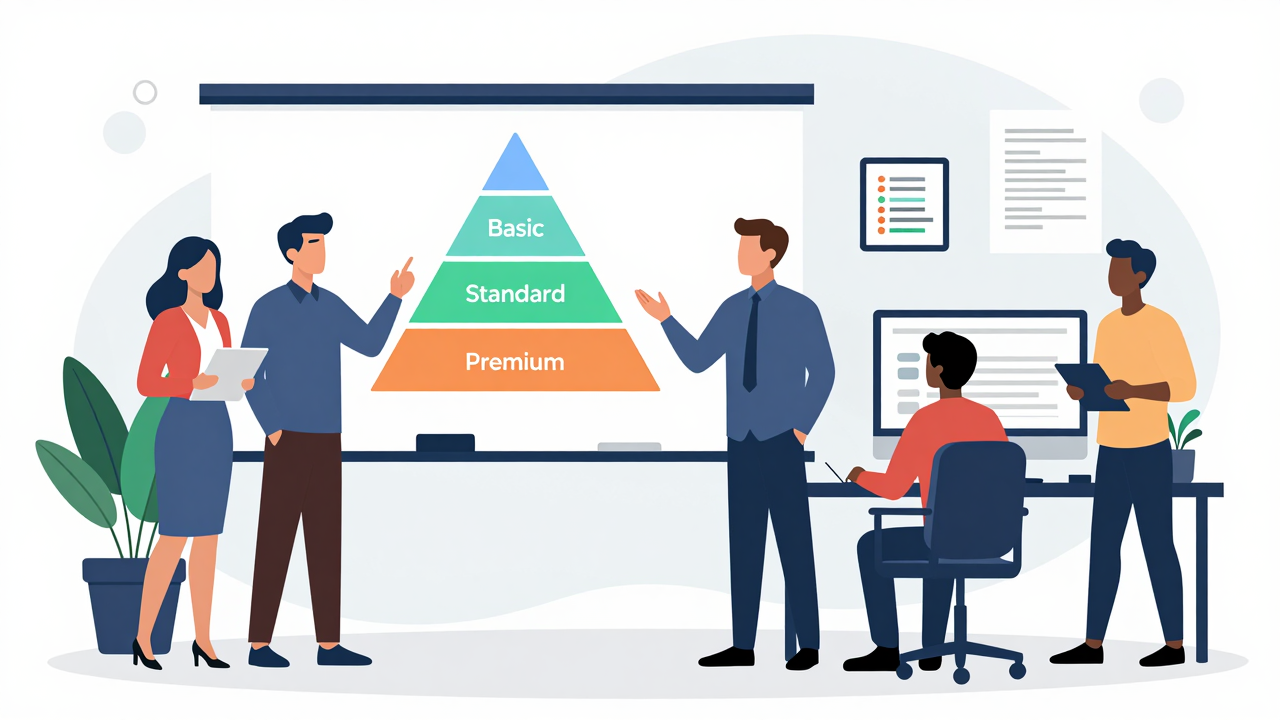
Creating a freemium model sets the stage for a wider audience, but crafting effective pricing tiers is where you’ll really capture diverse customer needs.
Start by implementing a tiered subscription model that addresses various budgets and usage levels. Clearly communicate the benefits of each tier, so customers know what they gain at every level, which encourages upgrades.
Consider offering a free tier or trial period to attract more users; studies show this can convert up to 25% to paid plans. To boost upgrades, provide limited-time discounts for higher tiers, enhancing perceived value.
Flexibility is key—allow customers to choose between monthly or annual billing, as this can improve satisfaction and retention.
Review your pricing regularly to verify it aligns with customer feedback and market trends. By taking these steps, you’ll create tiers that work for everyone, driving long-term revenue growth.
Enhancing Customer Satisfaction With Usage-Based Billing
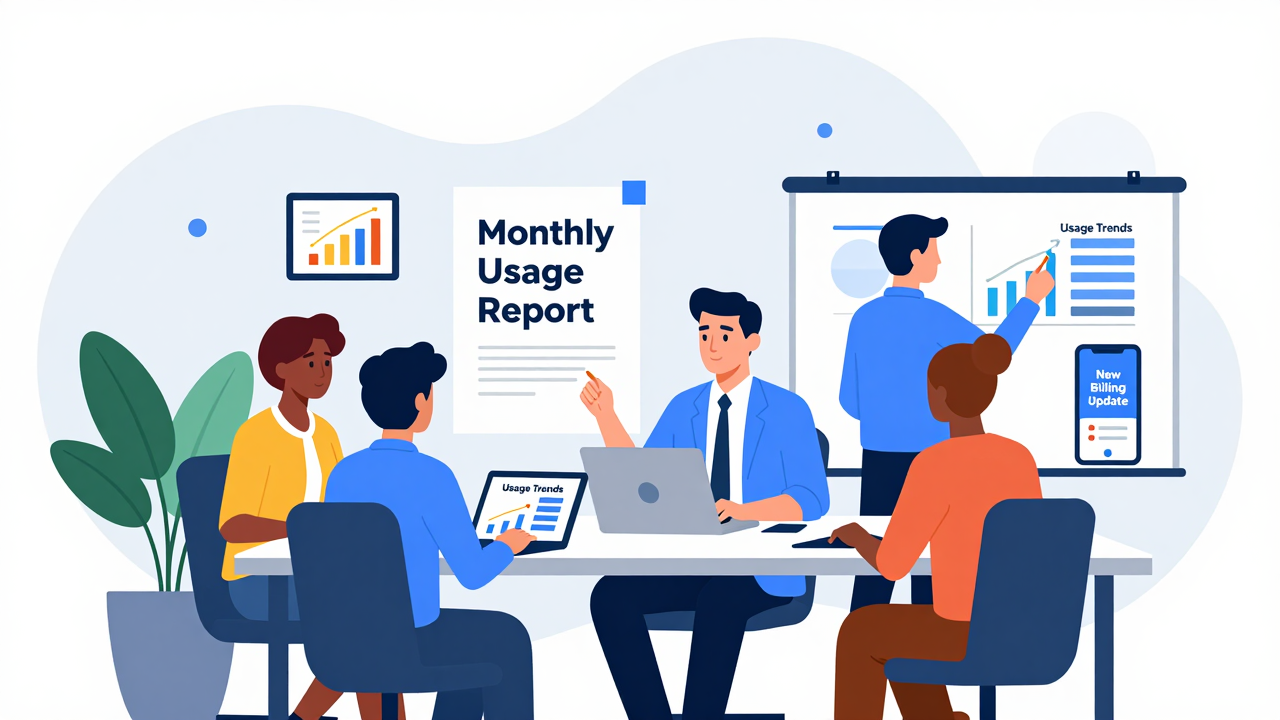
Usage-based billing gives you the flexibility to control your spending by only paying for what you actually use.
This approach not only aligns your costs with the value you receive but also reduces the risk of overcommitting to a subscription.
Flexibility in Spending Control
When you think about enhancing customer satisfaction, offering flexibility in spending control can be a game changer. Usage-based billing lets subscribers pay only for what they use, making it feel fair and reducing perceived risk. This approach encourages new customers to start small, avoiding overpayments for unused services.
By allowing customers to manage their spending month-to-month, you align costs with actual usage, boosting loyalty.
Consider implementing minimum commitments or base fees to stabilize revenue while still providing flexibility. This balances the unpredictable monthly revenue from usage-based pricing with your financial needs.
Focus on clear communication about how usage affects costs, ensuring customers feel in control. Ultimately, this flexibility can lead to higher satisfaction and retention.
Alignment With Value Received
To enhance customer satisfaction through subscription pricing, aligning costs with the value customers receive is essential. A usage-based billing model allows subscribers to pay only for what they use, boosting fairness and satisfaction.
Here are key benefits to evaluate:
- Reduced risk: Attracts hesitant customers by lowering upfront costs.
- Scalable revenue: High-growth users generate more revenue without extra sales efforts.
- Flexibility: Subscribers can control spending, enhancing satisfaction.
- Minimum usage commitments: Helps stabilize revenue while offering flexibility.
- Careful monitoring: Essential for managing fluctuations in monthly revenue.
Implementing these strategies in your subscription pricing model can lead to happier customers and improved revenue.
Focus on aligning costs with actual usage to foster loyalty and satisfaction.
Using Promotions to Drive Upgrades
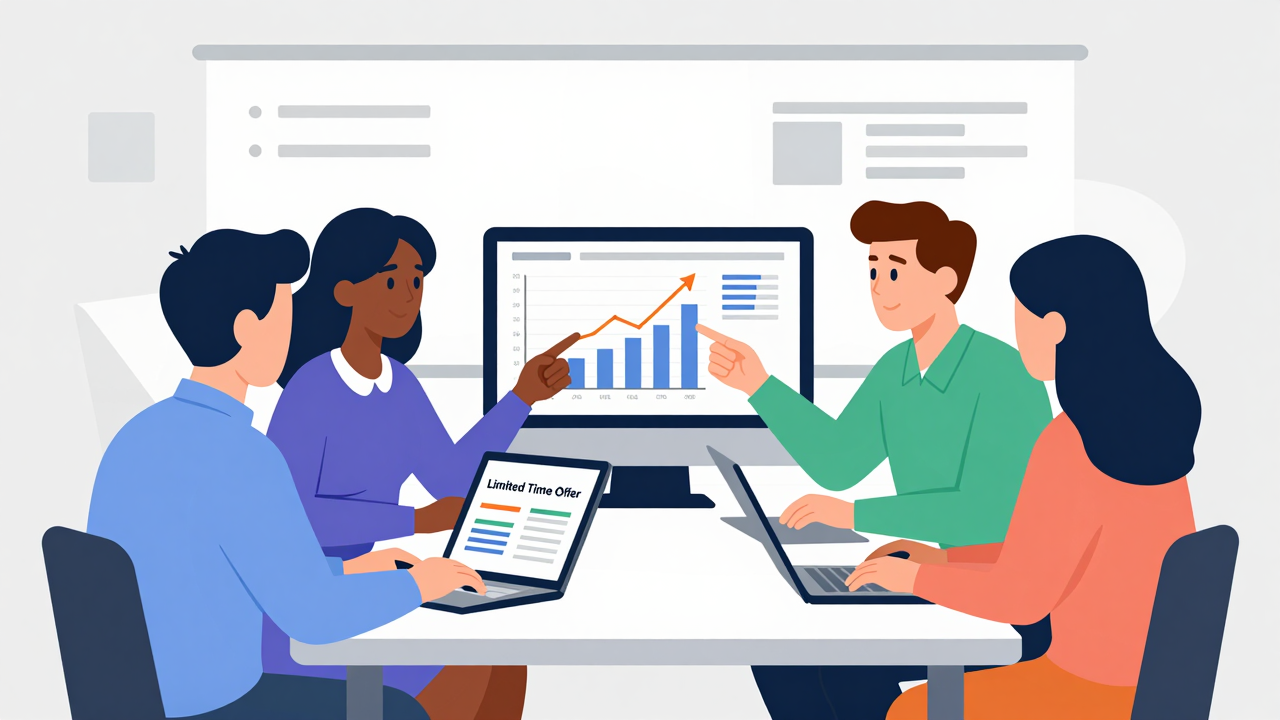
Promotions can be a powerful tool to drive upgrades and boost customer loyalty. By implementing promotional incentives, like offering two months free for upgrades, you provide immediate value that encourages long-term commitment.
Consider limited-time offers, such as discounts during service issues, to convert dissatisfied customers into loyal subscribers. This approach can greatly enhance retention.
To maximize effectiveness, tailor promotions based on customer behavior and preferences. Offering free trials or exclusive features creates urgency and excitement, which can lead to a 25% higher conversion rate from free plans to paid subscriptions.
Ensure your promotional strategies are clear and easy to understand. Communicate the benefits directly to your customers, emphasizing how these offers can enhance their experience.
Balancing Predictability and Fairness With Overage Pricing

When you use overage pricing, it’s essential to guarantee transparent billing practices so customers know exactly what they’re paying for.
Set fair usage limits that reflect your customers’ needs while balancing your business goals; this keeps everyone satisfied.
Ensuring Transparent Billing Practices
Transparent billing practices are essential for maintaining customer trust, especially when using overage pricing models.
To guarantee clarity and fairness, you can implement the following strategies:
- Clearly outline usage limits and overage fees upfront.
- Provide detailed invoices that break down charges by usage.
- Send regular usage updates to keep customers informed.
- Offer a user-friendly portal where customers can track their consumption in real-time.
- Address customer inquiries promptly to resolve misunderstandings.
2. Establishing Fair Usage Limits
To effectively establish fair usage limits, you need to balance predictability with flexibility, ensuring your customers feel valued while avoiding unexpected costs.
Start by defining clear usage limits that reflect typical subscriber behavior. This helps customers understand what they can expect from your subscription pricing.
Implement overage pricing, allowing subscribers to pay a base fee for regular usage while offering options for extra usage.
Make sure to communicate these limits and potential overage charges transparently. This builds trust and reduces disputes.
Research shows that clear structures can enhance customer retention by up to 20%.
Measuring and Optimizing Your Pricing Strategy for Growth
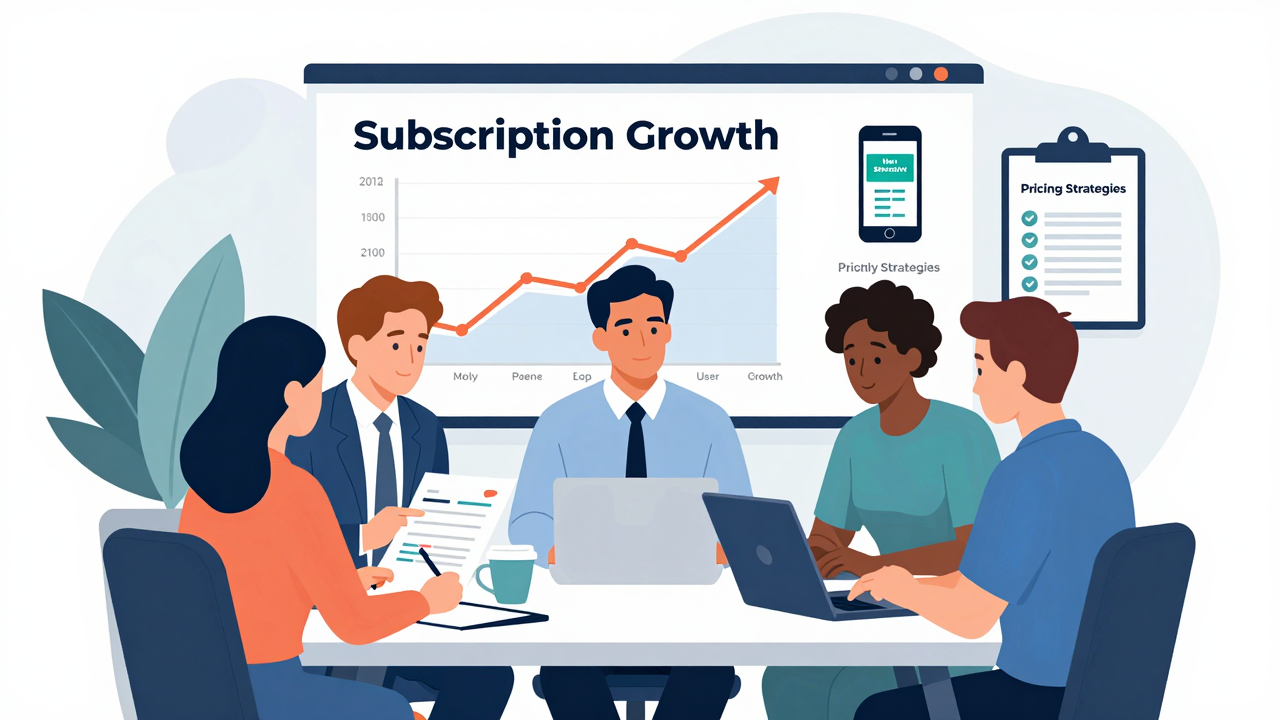
Measuring and optimizing your pricing strategy for growth is essential if you want to stay competitive in today’s market.
To effectively evaluate your subscription model billing, focus on these key areas:
- Regularly review metrics like Customer Acquisition Cost (CAC), Monthly Recurring Revenue (MRR), and Customer Lifetime Value (CLTV).
- Implement A/B testing on different pricing models to see which options boost subscriber retention.
- Use advanced analytics to predict customer behavior in response to pricing changes.
- Communicate any pricing adjustments clearly to maintain customer trust and demonstrate value.
- Monitor churn rates and upselling opportunities closely for insights into your pricing effectiveness.
Frequently Asked Questions
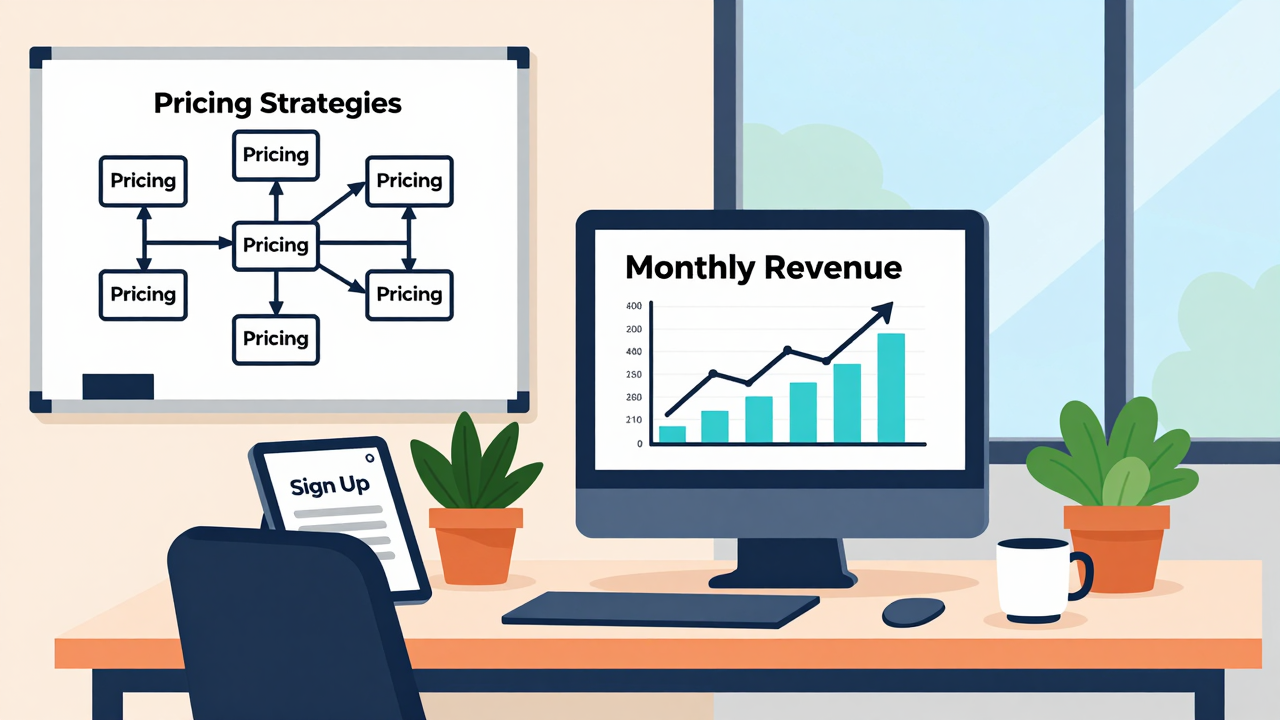
What Are the 5 C’s of Pricing Strategy?
The five C’s of pricing strategy are customer, costs, competition, channels, and change management.
First, understand your customers’ perceived value.
Next, analyze your costs to guarantee your pricing covers expenses.
Keep an eye on competitors to stay competitive.
Align your pricing with distribution channels to meet customer expectations.
Finally, regularly revisit your pricing strategy based on feedback and market trends to adjust for changing conditions and maintain subscriber interest.
Does the .99 Trick Actually Work?
Yes, the .99 trick actually works. When you price your products just below a whole number, like $9.99 instead of $10, consumers perceive them as cheaper.
This psychological pricing can lead to a significant boost in sales—research shows a 24% increase is possible.
To implement this, adjust your pricing strategy, test it with your audience, and monitor conversion rates.
Just guarantee the ongoing value matches the initial perception to keep subscribers loyal.
What Are the 4 Types of Pricing Strategies?
The four main pricing strategies are flat-rate, tiered, per-user, and usage-based pricing.
With flat-rate, you charge one fee for unlimited access.
Tiered pricing offers multiple plans for different needs.
Per-user pricing scales costs based on users, which is great for businesses with varied demands.
Finally, usage-based pricing charges customers based on actual consumption.
Evaluate your customers’ preferences, and choose the strategy that best aligns with your business goals for ideal revenue.
What Are the 3 C’s of Pricing Strategy?
The three C’s of pricing strategy are cost, competition, and customer.
First, assess your costs to make certain you cover expenses and achieve profit.
Next, analyze your competitors’ prices; this helps you stay competitive and appealing.
Finally, understand your customers’ perceived value; align your pricing with what they’re willing to pay.
Conclusion
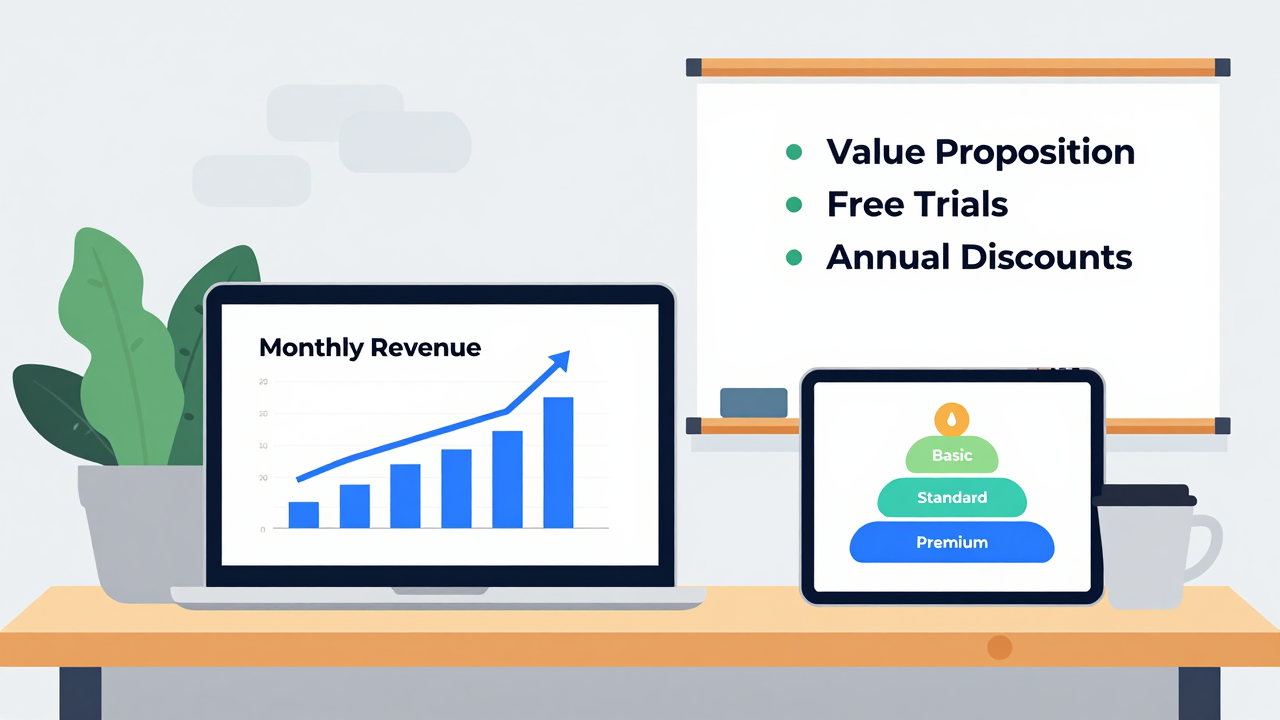
To boost your subscription revenue, focus on implementing these proven strategies. Start by creating a compelling freemium model that attracts users, then craft tiered pricing to meet diverse needs. Use usage-based billing for fairness, and run targeted promotions to encourage upgrades. Always maintain transparent billing practices to build trust. Finally, regularly measure your key metrics and leverage predictive analytics to fine-tune your pricing. By taking these steps, you can enhance customer satisfaction and drive growth effectively.
Image via Google Gemini and Small Business Trends
This article, “7 Proven Subscription Pricing Strategies to Increase Revenue” was first published on Small Business Trends