







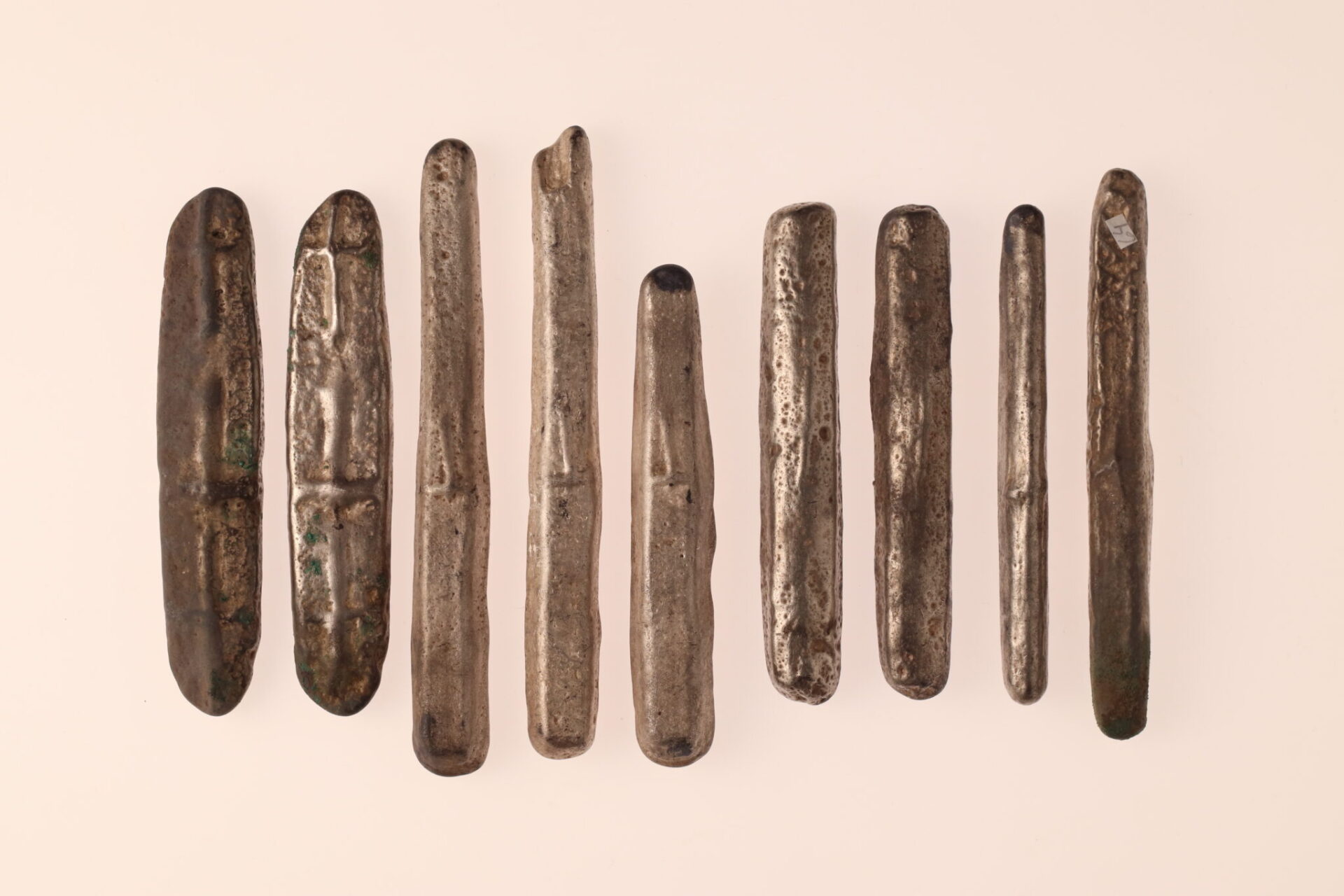
While building a terrace in their backyard, a homeowner in Denmark discovered the treasure of a lifetime: more than 40 pounds (18.5 kilograms) of thousand-year-old silver buried in the ground. An analysis revealed that the finding is the country’s largest , cultural heritage manager at the North Jutland Museums. There is already ample evidence of the Islamic world’s connections with Scandinavians during the Viking Age, including a recent discovery that Viking pennies in a hoard found in Denmark were made from melted Islamic money.
The newfound hoard sheds light on how people in Viking Age Denmark could store, organize and hide their wealth. “When we analyze the weight of the silver objects, the treasure reveals information about the economic practices of the Viking Age,” Sarauw said. “The treasure does not only consist of beautiful objects. Most of them are part of a structured value system by weight.”
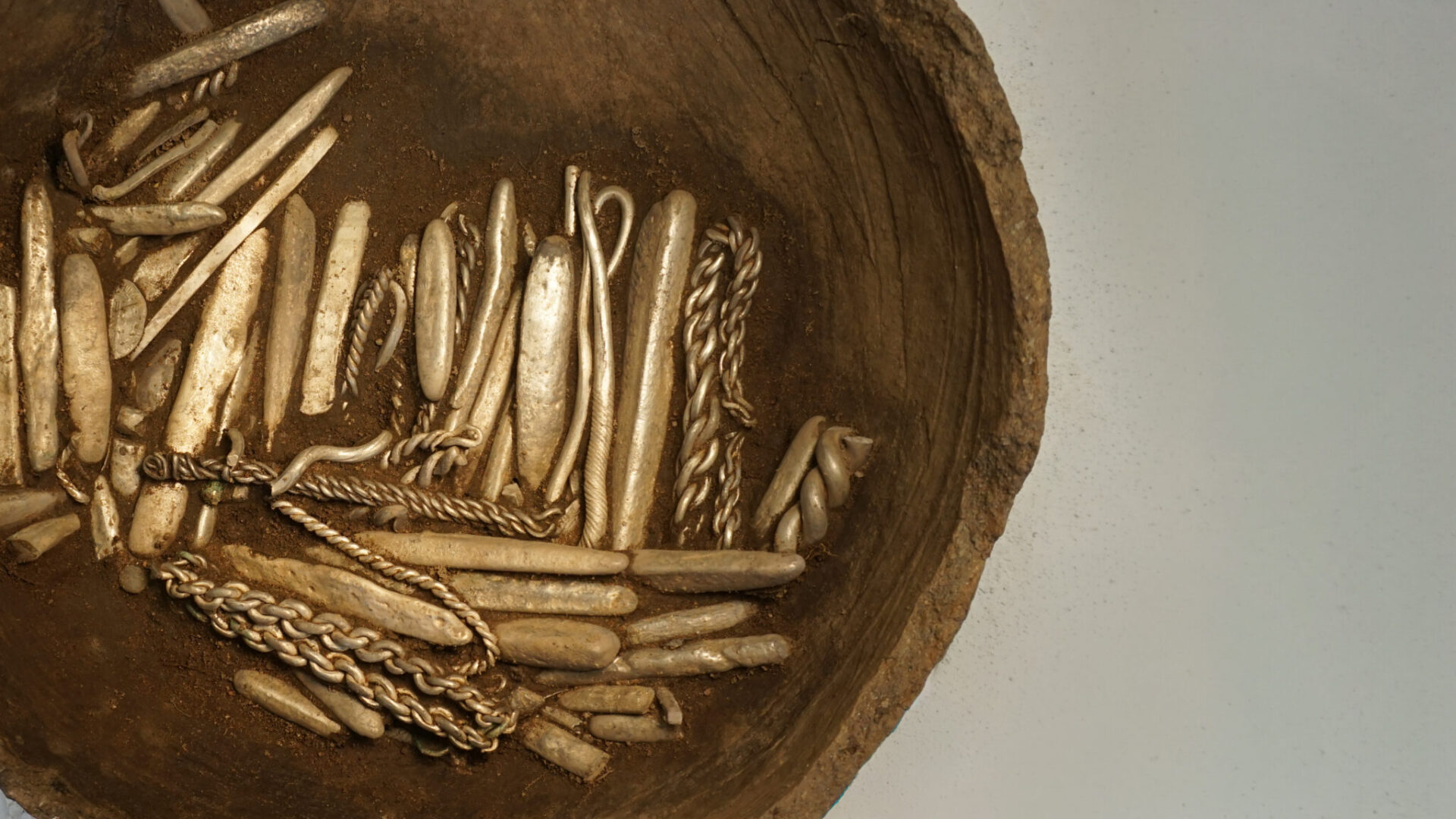
In fact, all the silver bars and some of the bracelets and silver fragments can be organized into specific weight groups. This indicates that the collection represented an important storage of wealth and not a random assortment.
“The treasure so clearly shows how silver functioned as wealth and a means of payment in the Viking Age,” Sarauw added in the statement. “It’s like finding a safe from the Viking Age.”
It’s unclear why the hoard was buried. It may have been hidden close to a Viking settlement, along a now-bygone road, or placed in a more remote, secret location, according to the statement. Answering that question would require major archaeological investigations, which are impossible in the developed area where the hoard was discovered.
The hoard is now being submitted for assessment at the National Museum of Denmark.
See how much you know about ancient norsemen with our Viking quiz!