








Hydrogen peroxide mouthwash is something many people come across either through home remedy videos, old dental advice, or product labels promising whiter teeth and a cleaner mouth. It sounds simple and scientific, and because hydrogen peroxide is already used in medical and dental settings, it often feels automatically safe. But putting something in your mouth every day is not a small decision, and it deserves more than just assumptions.
Some people use hydrogen peroxide mouthwash to fight bad breath, reduce bacteria, soothe gum problems, or brighten their smile. Others worry about side effects like irritation, damage to oral tissue, or long-term risks. The internet is full of mixed messages, which makes it hard to know what is real, what is exaggerated, and what is simply unsafe advice.
In this article, we are going to look at hydrogen peroxide mouthwash in a clear, honest way. We will explore how it works, what science and dentistry actually say about its safety, what the possible benefits and risks are, and who should avoid it. The goal is to help you make an informed decision, not a fearful or blindly trusting one.
Understanding Hydrogen Peroxide and How It Works
Hydrogen peroxide is a chemical compound with the formula H₂O₂, meaning it’s basically water with an extra oxygen atom attached. That extra oxygen makes it a powerful oxidizing agent, which is a fancy way of saying it really wants to give away that oxygen atom to other molecules.
When hydrogen peroxide comes into contact with organic material like bacteria, tissue, or blood, it breaks down into water and oxygen, and that oxygen release is what creates the bubbling action you see when you pour it on a cut. This oxidizing property is exactly what makes hydrogen peroxide useful as a disinfectant and antimicrobial agent.
The hydrogen peroxide you find in stores typically comes in a 3% concentration, meaning 3% of the liquid is actual hydrogen peroxide and 97% is water. This is considered pharmaceutical grade and is what’s intended for medical and dental applications.
How It Affects Your Mouth?
When you rinse with diluted hydrogen peroxide, several things happen in your mouth simultaneously. First, the compound disrupts the biofilm where bacteria live, essentially breaking down the protective environment that allows harmful bacteria to thrive.
This makes it easier to remove plaque buildup and reduces the bacterial load in your mouth. Second, hydrogen peroxide releases oxygen when it breaks down, creating an environment that’s hostile to anaerobic bacteria, which are the types that don’t survive well in oxygen rich conditions. These anaerobic bacteria happen to be some of the main culprits behind gum disease and bad breath.
The oxidizing action also has a bleaching effect on organic stains. This is why hydrogen peroxide is a key ingredient in most teeth whitening products, both professional and over the counter. When it contacts your tooth enamel, it can break down the molecules that cause discoloration, gradually making teeth appear whiter over time.
What the Research Actually Shows
The scientific research on hydrogen peroxide mouthwash presents a nuanced picture that doesn’t fit neatly into either “completely safe” or “totally dangerous” categories. A systematic review examining the effects of hydrogen peroxide mouth rinsing found that its effect on preventing plaque formation was poor and brief, showing low substantivity, which means it doesn’t continue working after you spit it out. This is different from something like fluoride or chlorhexidine, which continue providing benefits for hours after rinsing.
However, other studies have shown specific benefits in certain contexts. Research from the 1970s demonstrated that hydrogen peroxide mouthwash effectively prevented the colonization of harmful anaerobic bacteria in developing plaque and markedly reduced plaque formation when used as the only oral hygiene measure during a two week period.
A more recent 21 day randomized controlled trial found that a mouthwash combining hydrogen peroxide with hyaluronic acid was significantly more effective in reducing gingivitis compared to a placebo, with no adverse events registered during the study period. The key detail here is that these were short term studies measuring specific outcomes, not long term daily use over months or years.
The Potential Benefits of Hydrogen Peroxide Mouthwash
One of the most legitimate benefits of hydrogen peroxide mouthwash is its ability to reduce harmful bacteria in your mouth. Studies confirm that hydrogen peroxide effectively eliminates various germs and microorganisms that contribute to cavities and gum disease. Because it can penetrate into areas that your toothbrush and floss can’t easily reach, including the back of your mouth and between teeth, it provides antibacterial action in those hard to access spots.
For people dealing with early stage gum disease like gingivitis, hydrogen peroxide can help reduce redness and inflammation. The antibacterial properties work against the specific bacteria that cause gum infections, while the oxidizing action helps decrease plaque accumulation.
Clinical observations show that when used properly for short therapeutic courses, hydrogen peroxide rinses can be beneficial for reducing gingival inflammation. The emphasis here is on short term therapeutic use rather than indefinite daily rinsing.
The Real Risks and Side Effects You Need to Know
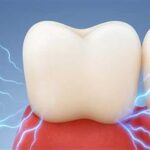
One of the most concerning risks of hydrogen peroxide mouthwash is its potential to damage tooth enamel, especially with prolonged use or high concentrations. The compound can weaken enamel over time, exposing the sensitive dentin layer underneath. This leads to increased tooth sensitivity, where hot, cold, sweet, or acidic foods and drinks cause discomfort or pain. Once enamel is damaged, it doesn’t regenerate, making this a permanent consequence of improper hydrogen peroxide use.
Research confirms that hydrogen peroxide can damage oral soft tissues and hard tissues when present in high concentrations and with prolonged exposure. Even at lower concentrations, using hydrogen peroxide too frequently or for too long during each rinse increases the risk.
Gum Irritation and Chemical Burns
High concentrations of hydrogen peroxide or excessive use can cause significant gum irritation, manifesting as redness, swelling, burning sensations, or even chemical burns. Your gums are delicate soft tissue that’s particularly vulnerable to the oxidizing effects of hydrogen peroxide. Some people experience stinging or tingling even with properly diluted solutions, which is a sign that irritation is occurring.
If you notice white patches or lesions in your mouth after using hydrogen peroxide, this indicates mucosal burns and you should stop immediately and consult a dentist. These burns happen when the concentration is too strong or exposure time is too long. The damage can be painful and may take time to heal, during which eating, drinking, and normal oral activities become uncomfortable.
Black Hairy Tongue Condition
Perhaps the most visually disturbing potential side effect of hydrogen peroxide mouthwash is a condition called black hairy tongue. Despite its alarming name and appearance, it’s actually harmless and temporary, but it definitely gets people’s attention. Black hairy tongue occurs when the small bumps on your tongue called papillae become overgrown and don’t shed dead cells properly.
Mouthwashes containing oxidizing agents like peroxide are specifically linked to this condition, especially with excessive use. In one documented case, a healthy 32 year old woman developed black hairy tongue after starting to use mouthwash containing hydrogen peroxide.
The condition resolved within two weeks after she discontinued the mouthwash and cleaned her tongue twice daily with normal saline. While black hairy tongue isn’t medically dangerous, it’s understandably distressing and serves as a visible warning sign that you’re using hydrogen peroxide too frequently or at too high a concentration.
How to Use Hydrogen Peroxide Mouthwash Safely?
If you decide to use hydrogen peroxide as a mouthwash, getting the concentration right is absolutely critical for safety. Start with pharmaceutical grade 3% hydrogen peroxide, which is what you find in most drugstores. Never use concentrations higher than 3%, and never use undiluted 3% solution directly in your mouth.
The recommended dilution is to mix one part 3% hydrogen peroxide with two parts water, which creates a final concentration of approximately 1%. Some sources recommend a 1 to 1 ratio of one part peroxide to one part water, creating a 1.5% solution. Here’s a simple table showing safe dilution ratios:
| Starting Concentration | Dilution Ratio | Final Concentration | Safety Level |
|---|---|---|---|
| 3% hydrogen peroxide | 1 part H₂O₂ to 2 parts water | 1% | Safest for oral use |
| 3% hydrogen peroxide | 1 part H₂O₂ to 1 part water | 1.5% | Safe when used properly |
| 3% hydrogen peroxide | Undiluted | 3% | High risk of irritation |
To prepare your rinse, measure the hydrogen peroxide and water carefully. For example, if you’re using one tablespoon of 3% hydrogen peroxide, mix it with two tablespoons of water for a 1% solution. Always prepare fresh solution each time rather than storing pre mixed batches, as hydrogen peroxide breaks down over time when exposed to light and air.
Correct Rinsing Technique and Duration
How long you rinse matters just as much as concentration. The recommended rinse time is 30 to 60 seconds maximum. Some dentists recommend as little as 30 seconds. Never exceed one minute of rinsing, and absolutely never rinse for longer than two minutes, as this significantly increases the risk of chemical burns.
Here’s the proper technique: Take a small amount of your diluted solution, about one to two tablespoons. Swish it gently around your entire mouth, making sure it reaches all areas including between teeth and along the gum line.
You can gargle gently if you’re also targeting the throat for sore throat relief. After 30 to 60 seconds, spit out the solution completely. Then rinse your mouth thoroughly with plain water to remove any remaining hydrogen peroxide. Never swallow the solution, no matter the concentration.
Frequency and Duration of Use
This is where many people go wrong with hydrogen peroxide mouthwash. It’s not designed for indefinite daily use like fluoride mouthwash. Dental professionals typically recommend hydrogen peroxide mouthwash as a short term therapeutic intervention rather than a long term daily habit. Most experts suggest using it for 7 to 14 days as a therapeutic course to address specific issues like gingival inflammation.
For frequency, the maximum recommended is up to four times daily, though many dentists suggest just once daily or a few times per week. Using it more frequently or for extended periods increases the risk of all the side effects we’ve discussed, including enamel weakening, gum irritation, and black hairy tongue. The American Dental Association specifically notes that hydrogen peroxide solutions are not recommended for daily rinsing as a routine practice.
Better Alternatives to Hydrogen Peroxide Mouthwash

Fluoride Mouthwashes
Fluoride mouthwash is the gold standard recommended by dental professionals for daily use. Unlike hydrogen peroxide, fluoride has extensive research backing its safety and effectiveness for preventing cavities and strengthening tooth enamel.
Fluoride works by remineralizing tooth enamel, making it more resistant to acid attacks from bacteria and dietary acids. The American Dental Association gives fluoride rinses its Seal of Acceptance, indicating strong evidence of both safety and efficacy.
Fluoride mouthwashes are safe for daily use as directed and actually provide protective benefits that continue after you spit them out. They’re appropriate for most people including children old enough to rinse and spit properly.
Chlorhexidine and Antiseptic Rinses
For people dealing with gum disease or recovering from dental procedures, chlorhexidine mouthwash is often prescribed by dentists. Chlorhexidine is a powerful antibacterial agent that’s highly effective at reducing plaque and treating gingivitis. It has good substantivity, meaning it continues working for hours after you use it, binding to oral tissues and slowly releasing over time.
The main drawback of chlorhexidine is that it can cause tooth staining with long term use and may alter taste perception. However, for short term therapeutic use under dental supervision, it’s generally more effective than hydrogen peroxide for treating gum infections. Chlorhexidine is typically used for specific treatment periods rather than indefinitely, similar to how hydrogen peroxide should be approached.
Cetylpyridinium Chloride Mouthwashes
Cetylpyridinium chloride, or CPC, is another antiseptic ingredient found in many commercial mouthwashes. CPC is effective for reducing bacteria that cause bad breath and has been shown to help control plaque. It’s gentler than chlorhexidine and doesn’t typically cause the same degree of staining, making it suitable for longer term use. Many popular over the counter mouthwash brands contain CPC as the active ingredient.
CPC mouthwashes offer antimicrobial benefits similar to what people seek from hydrogen peroxide but with better safety profiles for regular use. They’re widely available, affordable, and have ADA acceptance for breath control and plaque reduction.
What Dental Professionals Actually Recommend
When you look at what dental organizations and individual dentists actually recommend, the consensus on hydrogen peroxide mouthwash is cautious at best. The American Dental Association acknowledges that mouthrinses containing hydrogen peroxide or carbamide peroxide may contribute to reducing extrinsic stains, but it does not recommend hydrogen peroxide solutions for daily rinsing. This is a significant distinction from the strong recommendations the ADA makes for fluoride.
Many dentists consider properly diluted hydrogen peroxide rinses acceptable for short term therapeutic use in specific situations, such as a one to two week course to reduce gingival inflammation or as a pre procedural rinse. However, long term daily use without dental supervision is generally not recommended due to the cumulative risks of adverse effects. The key phrase you’ll hear from dentists is “short term” and “under supervision” when hydrogen peroxide is appropriate.
The Bottom Line on Hydrogen Peroxide Mouthwash Safety
So is hydrogen peroxide mouthwash safe or not? The answer is that it depends entirely on how you use it. When used correctly at the proper concentration, for short periods, and with appropriate precautions, diluted hydrogen peroxide mouthwash can provide some benefits with relatively low risk.
If you choose to use it, do so with full awareness of the risks, strict adherence to safety guidelines, and ideally under the guidance of your dentist. For most people, the safer choice is to use ADA approved mouthwashes with proven benefits like fluoride or CPC that are designed for regular use, and to address specific oral health concerns through professional dental care rather than DIY remedies.
Your mouth deserves care that’s both effective and safe, and in most cases, hydrogen peroxide mouthwash isn’t the best option for achieving that goal.
Frequently Asked Questions
Q: Can I use hydrogen peroxide mouthwash every day?
A: No, daily use is not recommended and can cause significant problems. Daily exposure leads to enamel erosion, increased tooth sensitivity, and disruption of your oral microbiome.
Q: What concentration of hydrogen peroxide is safe for mouthwash?
A: The safe concentration for home use is 1 to 1.5%, which you create by mixing equal parts of 3% hydrogen peroxide with water. Never use the 3% solution undiluted, as it’s strong enough to cause chemical burns and tissue damage within minutes.
Q: Will hydrogen peroxide mouthwash whiten my teeth?
A: While hydrogen peroxide does have mild whitening properties, using it as a mouthwash won’t produce the dramatic whitening results you might expect. Most dentists agree that the concentration and brief contact time involved in rinsing aren’t sufficient for noticeable whitening.
Q: What should I do if I accidentally swallow hydrogen peroxide mouthwash?
A: If you swallow a small amount of properly diluted hydrogen peroxide (1 to 1.5%), it will likely cause minor discomfort but probably no serious harm. Rinse your mouth with plain water and drink a glass of water to dilute what you swallowed. Watch for symptoms like nausea, vomiting, or stomach pain.
Q: How long does it take for side effects like tooth sensitivity to go away after stopping hydrogen peroxide use?
A: The recovery timeline depends on the severity of damage and how long you used hydrogen peroxide improperly. Mild tooth sensitivity from short-term use typically improves within one to two weeks after discontinuing the rinse, especially if you use remineralizing toothpaste containing fluoride.
Adblock test (Why?)