








Over dinner at a gaming convention around 2010, board game designer
Mathematicians say these 60-sided dice are the fairest in the world. Designing them took 15 years.
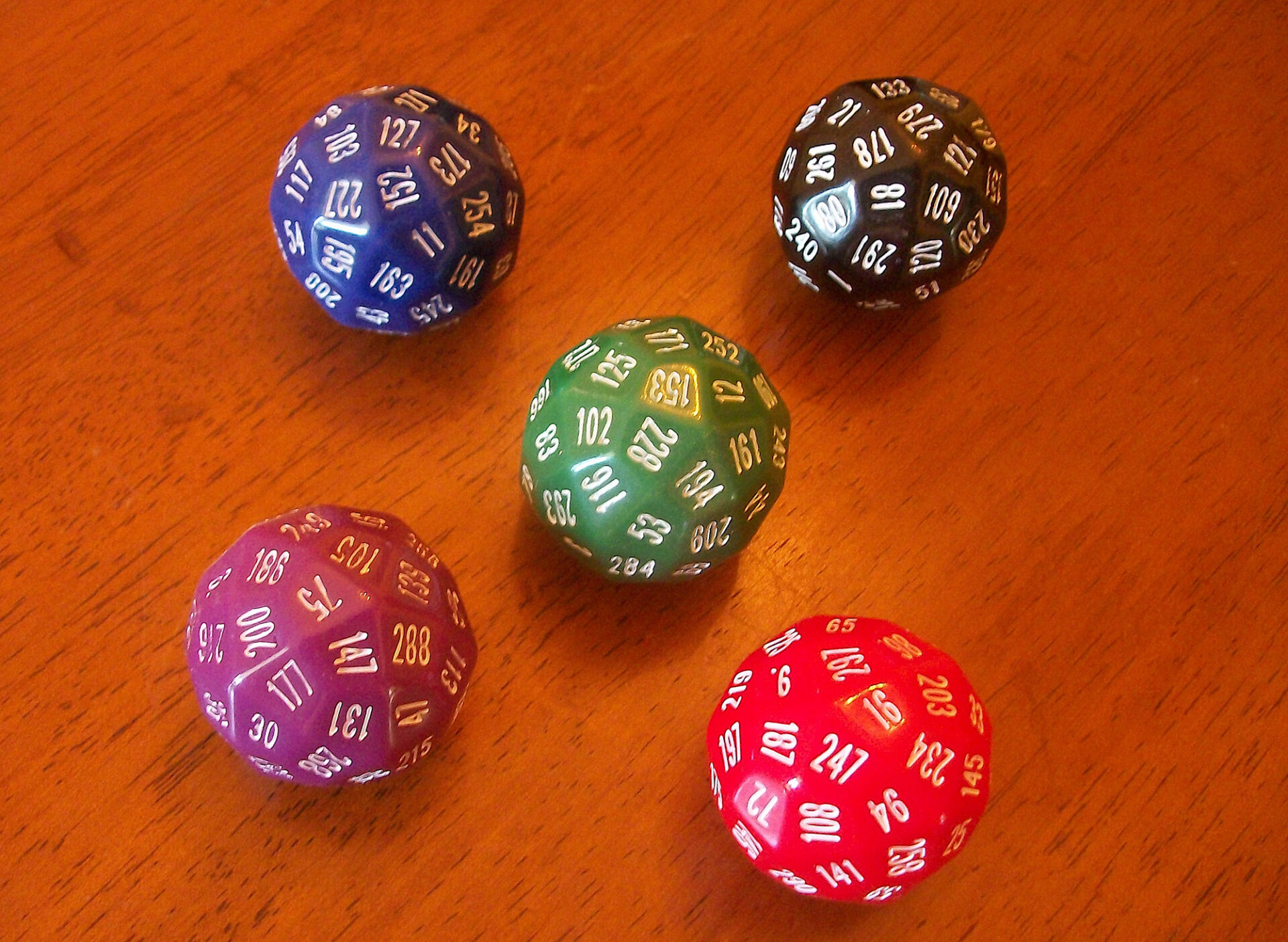
Then, in mid-2023, Canadian software engineer Paul Meyer emailed Harshbarger out of the blue. He had been studying patterns in Harshbarger’s four-player data and had written a program to exploit them. He hadn’t expected it to work right away.
It did. Meyer found a configuration of five 60-sided dice that satisfied every condition.
“I double-checked his work and went, ‘Oh my goodness; we’ve been searching for so long for this. This is amazing,'” Harshbarger said.
From workshop to gallery wall
Related stories
- Native Americans invented dice and games of chance more than 12,000 years ago, archaeological study reveals
- Roman dodecahedron: A mysterious 12-sided object that has baffled archaeologists for centuries
- OpenAI’s internal AI model just solved an 80-year-old math problem — and mathematicians verified it
The four-player set had long since been picked up by retailers — Maths Gear in the U.K. and Math Art Fun in the U.S. — so Harshbarger had stopped hand-making those years earlier. Now, the five-player version was real and small enough to manufacture.
But the story had one more turn. Auburn University was building a new home for its mathematics department and was looking for sculptural ideas to fill it. Harshbarger proposed building giant versions of the five new dice out of wood. The department agreed.
He spent months in his wood shop, constructing five oversize dice. Each is from a different type of wood: pine, poplar, oak, walnut or mahogany. The five sculptures now stand in Auburn’s new math building, which opened this fall.
For Harshbarger, the whole point is making math impossible to walk past.
“When people see giant dice or little dice, they’re fascinated just by the geometry,” he said. “The hope is, they see these things and go, ‘Oh, this is math too, and this is interesting.’ Some of the most fun math problems are ones that are easily understood and not easily answered.”