





There are many theories as to how the diabetes drug metformin lowers blood sugar levels, but now, scientists think they’ve discovered the main route.
It turns out that the drug, primarily used in



There are many theories as to how the diabetes drug metformin lowers blood sugar levels, but now, scientists think they’ve discovered the main route.
It turns out that the drug, primarily used in
However, the theory that metformin mainly works by targeting this complex was quickly dismissed. That’s because the drug’s concentration in the liver is too low to exert an effect, Vázquez Carrera said.
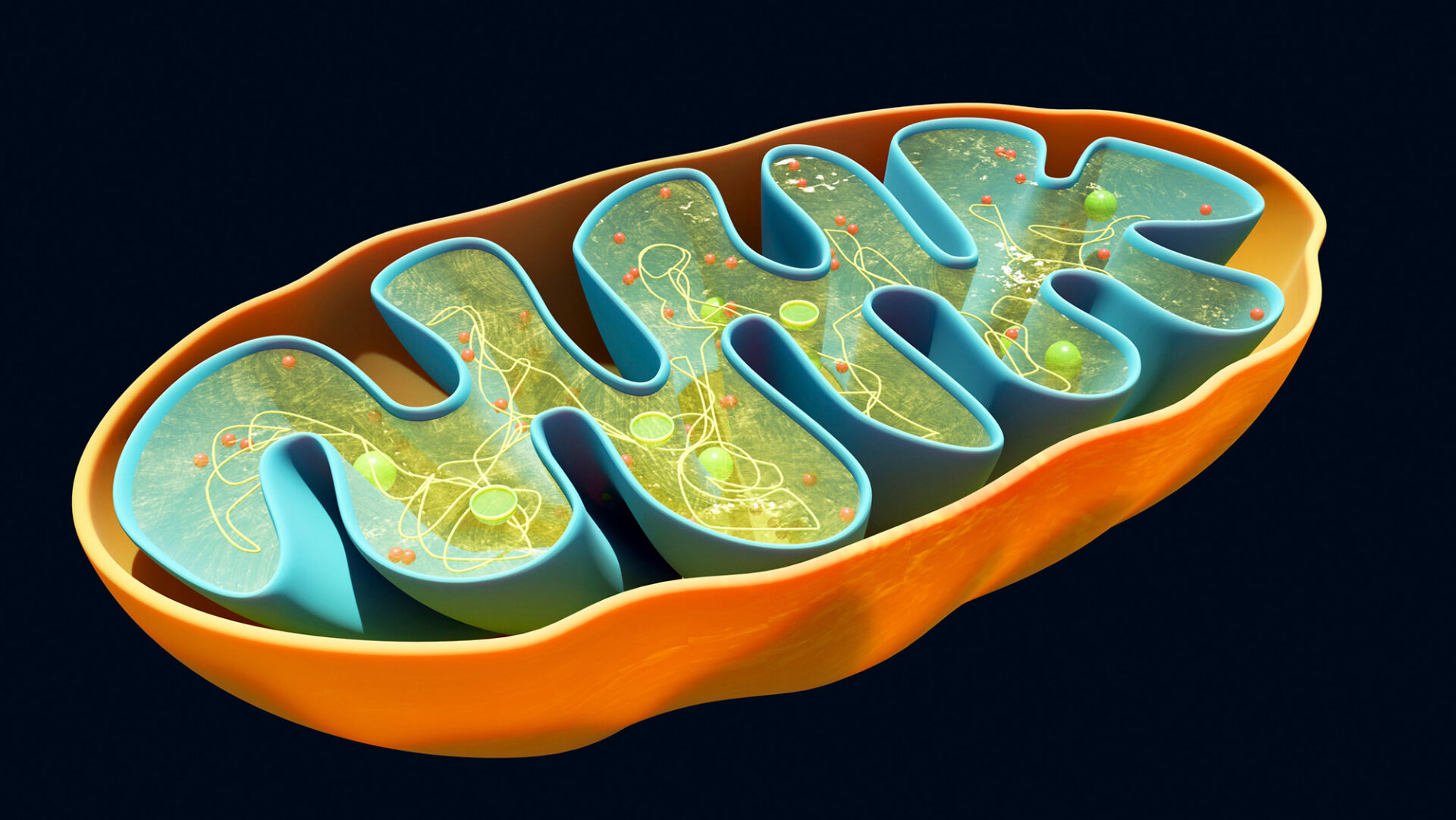
But elsewhere in the body, it’s a different story. In the recent study, published in May in the journal Nature Metabolism, Chandel and his colleagues found that metformin does work by targeting mitochondrial complex I — but it does so not in the liver but in the intestines, where the drug builds up to higher concentrations.
Their first clue came when they compared metabolites in the bloodstreams of people taking metformin and those unexposed to the drug. For one metabolite, called citrulline, they saw the biggest drop in concentration following a dose of metformin. This blood metabolite is produced almost exclusively by mitochondria in intestinal cells, revealing that the drug affects gut mitochondria.
In further experiments, the team genetically modified mice so they had a backup for complex I in the intestines. The backup was a different enzyme that performs a similar function but is not affected by metformin. That meant that if the drug works by inhibiting complex I, mice equipped with backups could bypass the drug’s effects. When the researchers administered metformin to these mice, they found that the drug was much less effective at lowering citrulline levels in the blood, suggesting that metformin acts on complex I in intestinal cells.
Besides affecting citrulline, the genetic tweak also reduced metformin’s effects on blood sugar by 80%, Chandel said. This means inhibition of complex I is probably the main mechanism behind the acute effects of the drug, he added.
Mitochondria can generate roughly 30 ATP molecules from one glucose molecule, but when these powerhouses are blocked, the cell tries to compensate by running a less-efficient ATP production line. This alternate pathway, called glycolysis, generates only two ATP molecules per glucose molecule. The researchers argued that by inhibiting intestinal mitochondria, metformin might force the cells to sequester and burn through as much glucose as possible with this less-efficient strategy. In turn, that lowers blood sugar levels.
They were able to show this in lab mice. Metformin caused glucose to accumulate in intestinal cells of normal mice, not the mice carrying backup enzymes, suggesting that the cells with blocked-up mitochondria usurp hoards of glucose to run glycolysis instead.
“Much of the mechanistic evidence comes from male mice, so it remains unclear how well the findings translate to humans and whether there are sex-specific effects,” Vázquez Carrera noted.
Most of metformin’s sugar-lowering activity — about 80% — involved complex I, but it’s likely that the drug has additional targets. In future work, Chandel and his colleagues aim to explore how the drug affects other aspects of the body’s biology, such as the liver or the gut microbiome.
This article is for informational purposes only and is not meant to offer medical advice.