







by (Bonsai): Definition and History of Bonsai…
To understand what Bonsai is, we need to learn more about its meaning and history. The Chinese started creating miniature landscapes over 2000 years ago. The further the reproduction was in size from the original, the more magically potent it was likely to be. A student could focus on its magical properties and gain access to them. During the Kamakura period (700 years ago) the Japanese copied the art-form and from that moment on, a distinctive Japanese style emerged. Instead of entire landscapes, the Japanese started growing individual trees. These trees are what we know as Bonsai today.
Bonsai defined
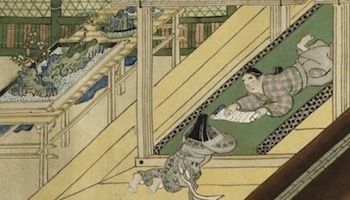
The word “Bon-sai” (often misspelled as bonzai or banzai) is a Japanese term which, literally translated, means “planted in a container”. This art form is derived from an ancient Chinese horticultural practice, part of which was then redeveloped under the influence of Japanese Zen Buddhism.
The origin of Bonsai

Although the word ‘Bon-sai’ is Japanese, the art it describes originated in the Chinese empire. By the year 700 AD the Chinese had started the art of ‘pun-sai’ using special techniques to grow dwarf trees in containers.
Bonsai shapes and styles
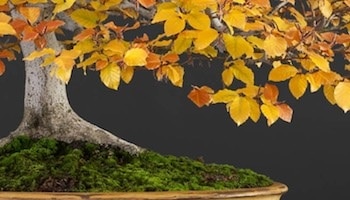
Over the years many styles to classify Bonsai trees have been advanced, closely resembling circumstances in nature. These styles are open to personal interpretation and creativity, meaning that trees do not necessarily need to conform to any form.
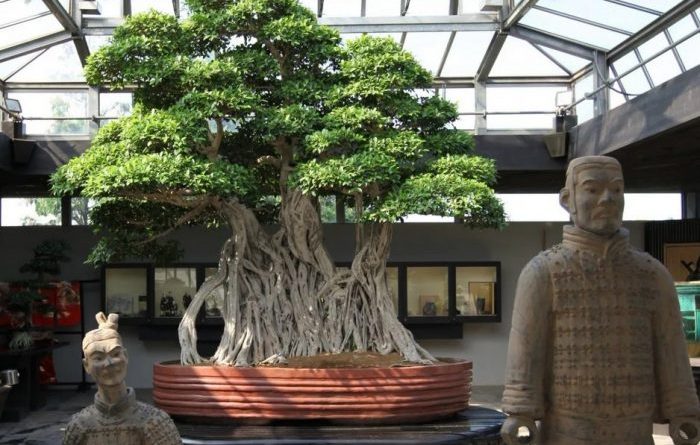
Worlds oldest bonsai tree. 1000yo. Located in Italy
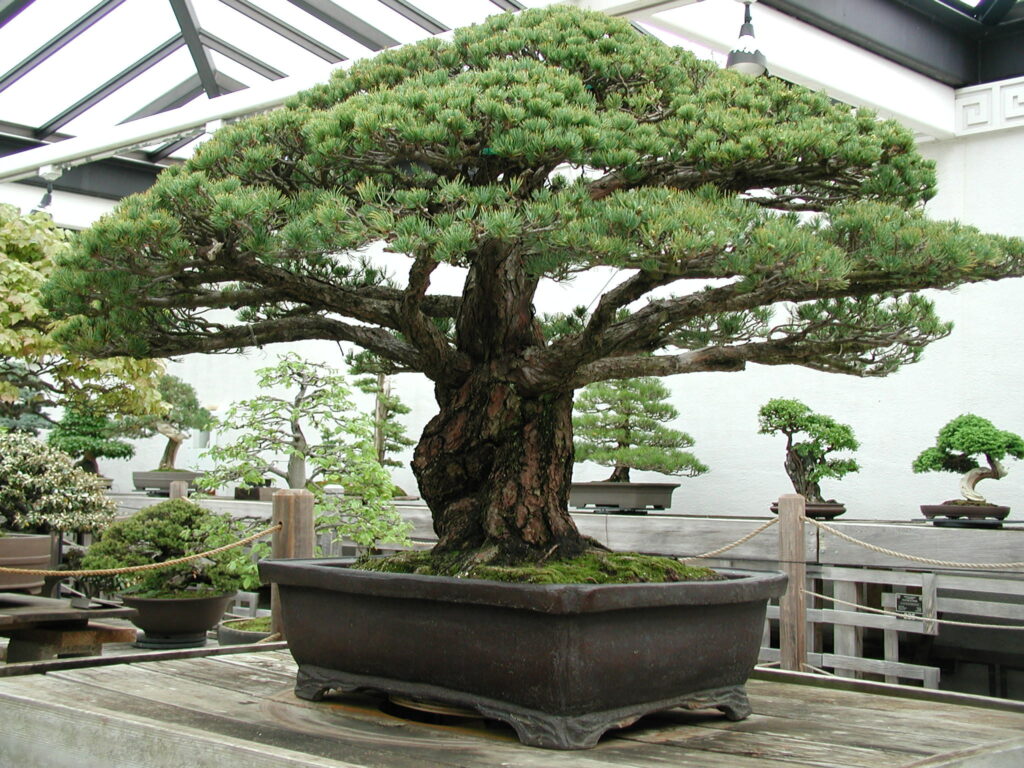
Nearly 400-Year-Old Bonsai Tree that survived the Hiroshima Blast
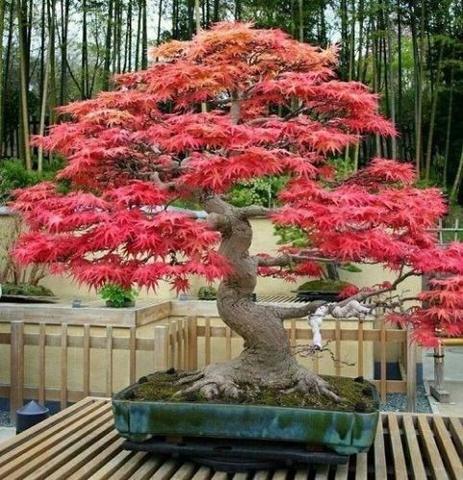
Japanese Red Maple Bonsai
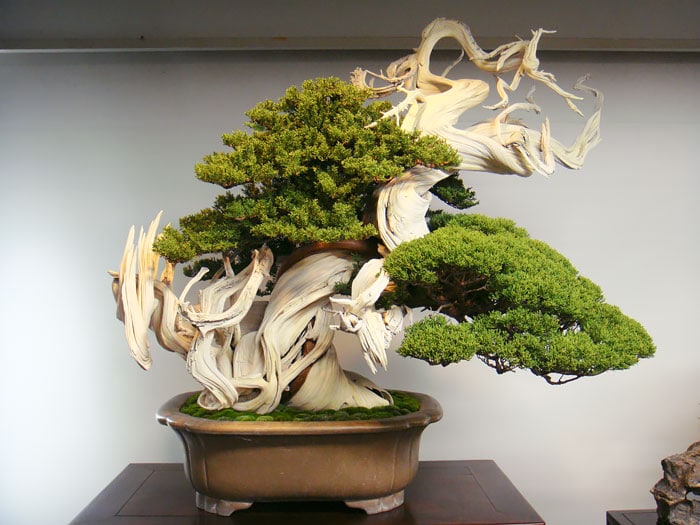
This Bonsai Tree Is Over 800 Year Old
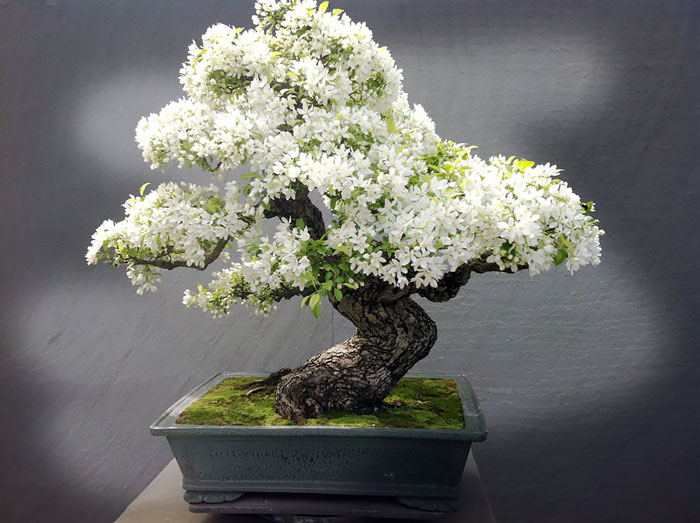
Apple Tree
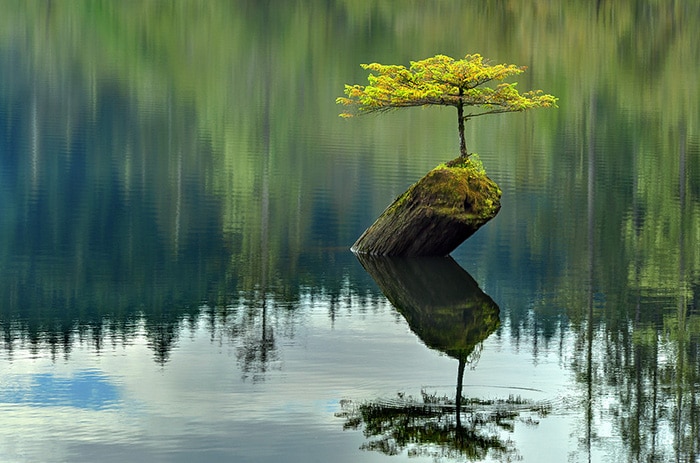
Not An Average Bonsai
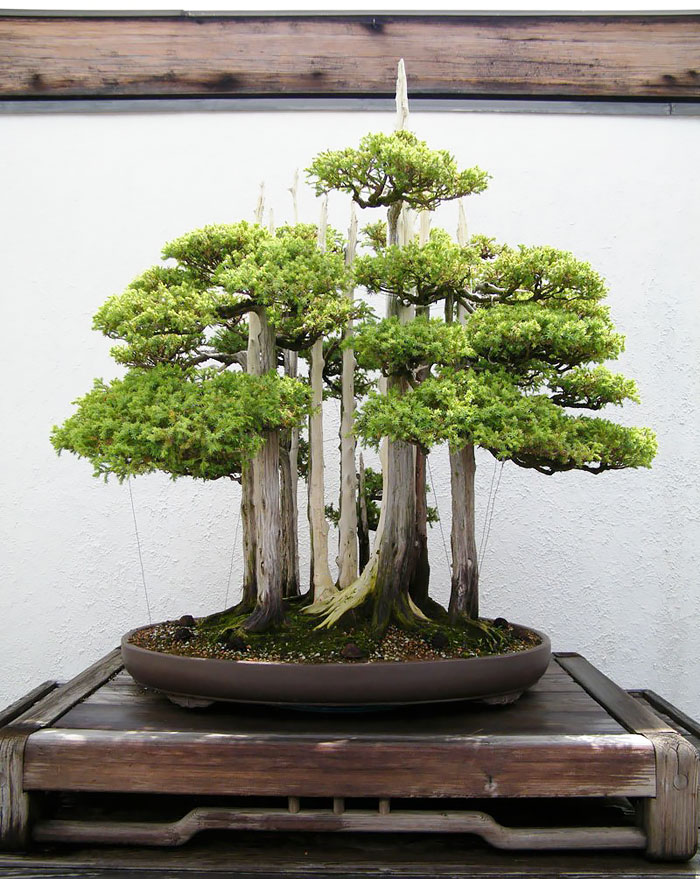
Bonsai Forest
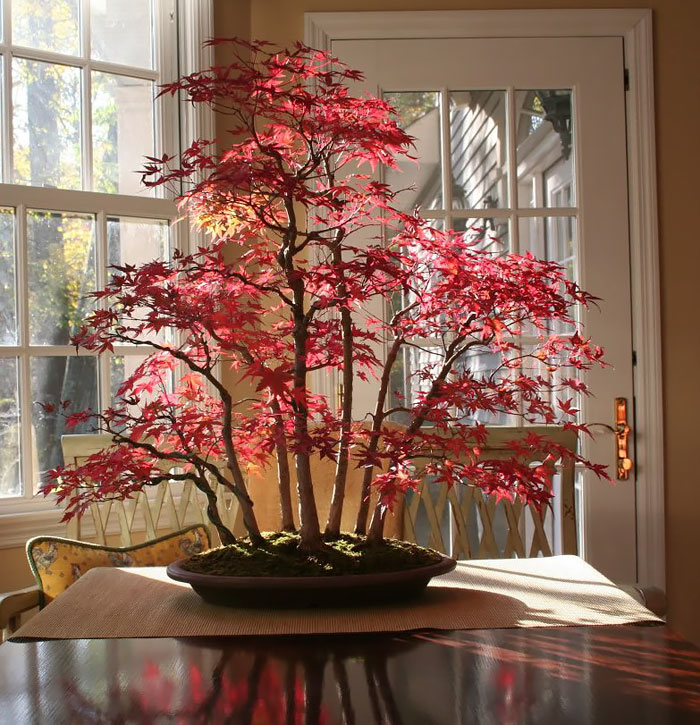
Bonsai Maple Forest In Autumn
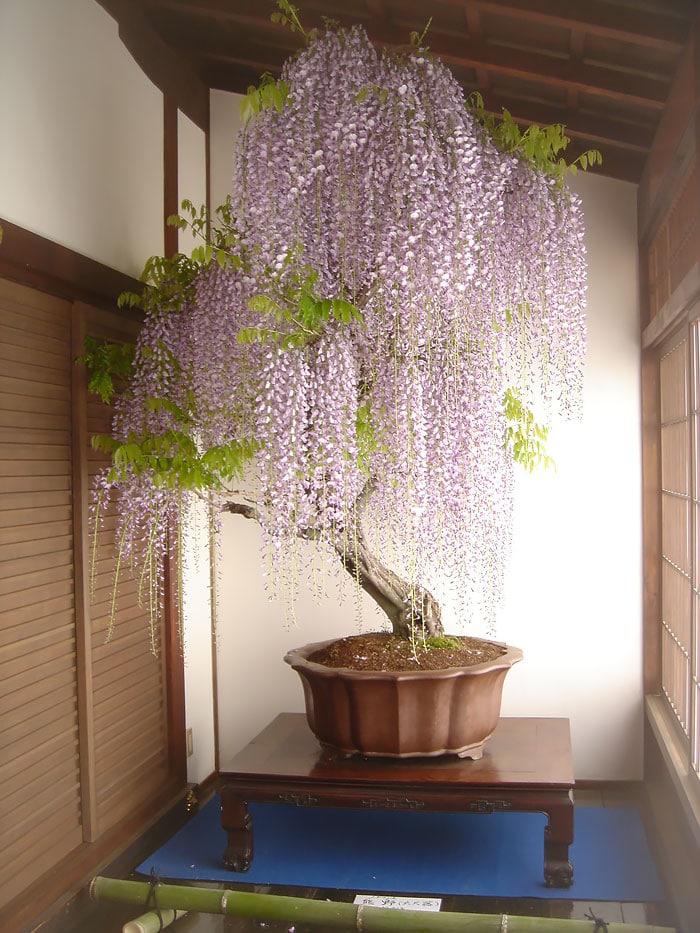
Wisteria
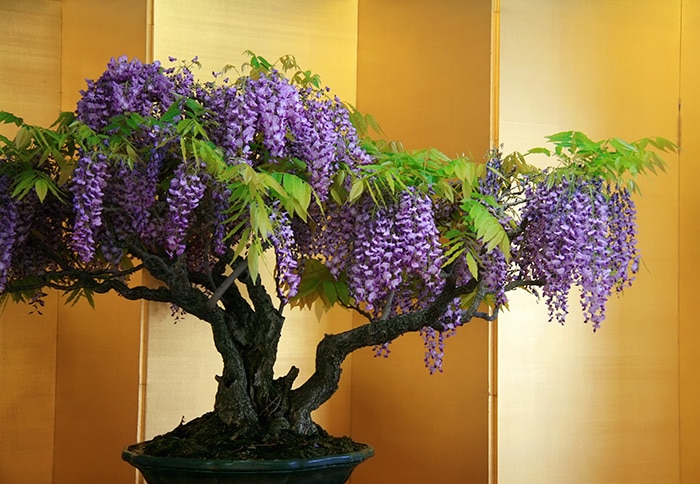
Wisteria Bonsai
Awaken Environment
Awaken Mother Earth
Awaken Earth
Source: AWAKEN
The post What Is Bonsai? appeared first on Awaken.