



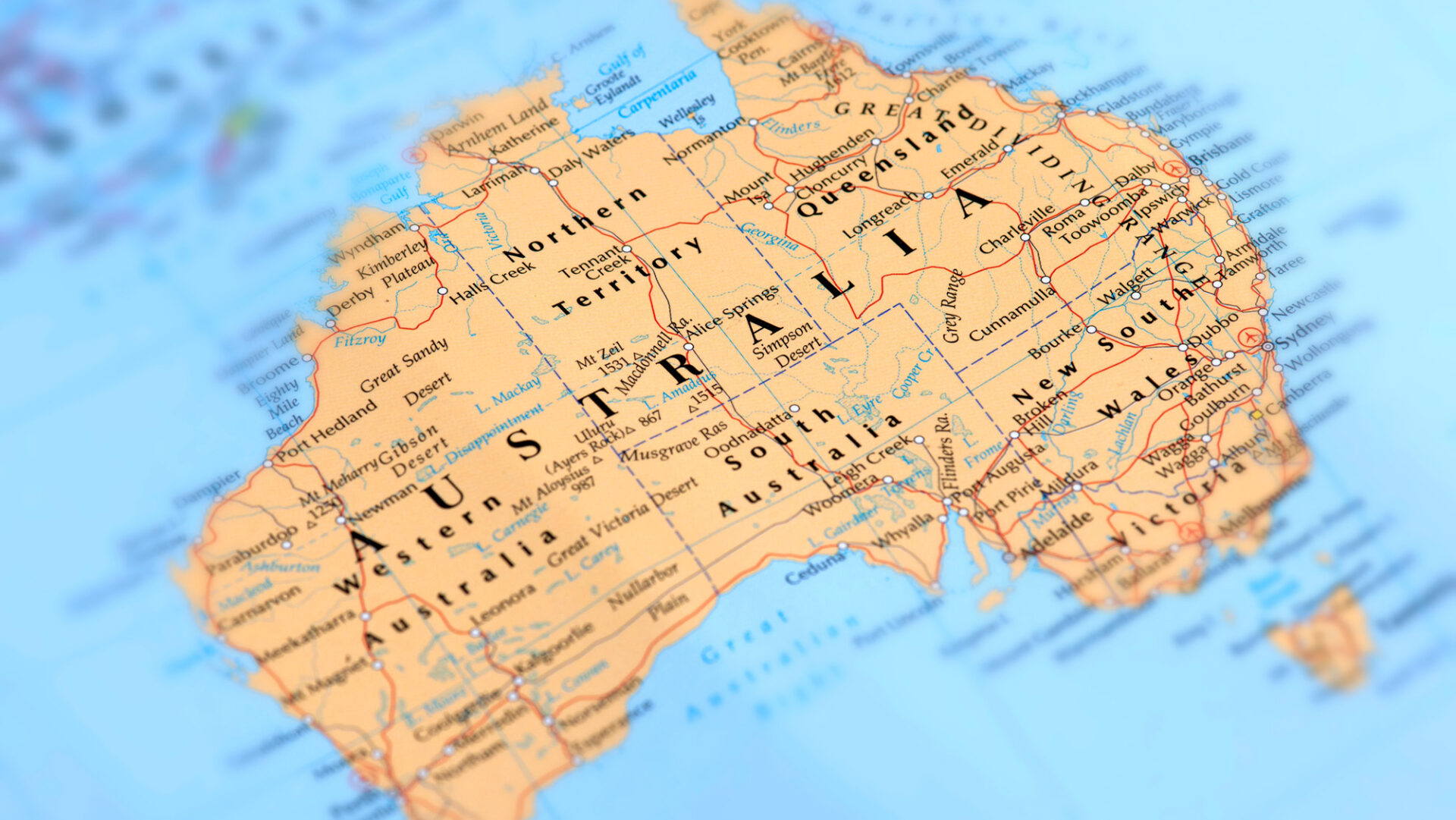
In the event of a global catastrophe, such as a nuclear war, an enormous volcanic eruption or large asteroid strike, the best place to be is Australia, according to a new study.
Researchers looked at the places that were most resilient to , director at Alliance to Feed the Earth in Disasters (ALLFED) and a researcher at the University of Canterbury in New Zealand, told Live Science that the new study aids our understanding of future risks by considering a wider range of catastrophes.
“No country is resilient to every catastrophe, and this is an important central finding,” he said. “A useful next step would be to quantify the relative likelihood and severity of different catastrophes, and the importance of different resilience factors, because these factors can involve significant trade-offs,” said Denkenberger, who has previously collaborated with Jehn but is not an author on the paper.
How to be more resilient
Even though these global catastrophes are unlikely, it is important to include them on national risk registers and have international trade agreements in place in case they come to pass, Jehn said. “When global catastrophes happen, then you would likely have to restructure the food system — where it is produced, where it is traded,” he said. “The chance to find a good compromise after the catastrophe has happened seems slim.”
Denkenberger echoed his comments. The study, he said, “makes it clear that regional resilience to global catastrophic risk requires investment in practical preparedness, including food-system resilience, critical infrastructure, coordinated trade and governance.”