








Of the former National Football League (NFL) players who died in recent years, at least 25% had brain changes related to chronic traumatic encephalopathy (
‘This is probably the safest time to be playing the sport of football’: Concussion expert explains why viral CTE study may not be as scary as it sounds
NL: You mentioned that football has become safer over time. Could you spell out how the game has changed?
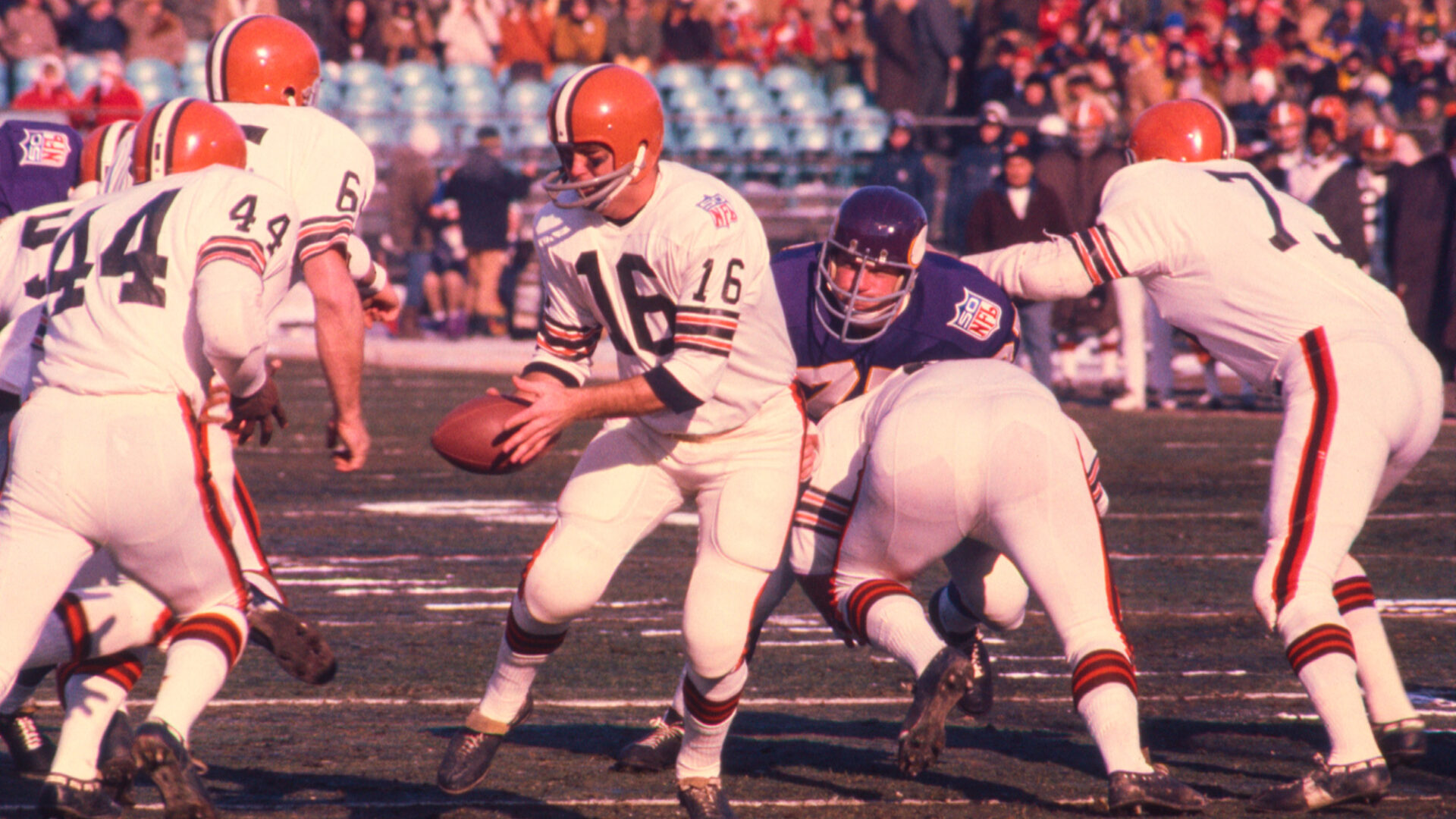
TM: We can look at different categories: With the rules back in that era, spearing — hitting with the crown of the head — was allowed, and oftentimes encouraged, as a style of play. That’s now penalized and not taught, or shouldn’t be taught.
There are changes in equipment, for sure. Modern football helmets — the material, the padding, the way in which these manufacturers are using head impact data to construct position-specific helmets and materials that are designed now to not just prevent catastrophic injuries, like skull fracture, but also to minimize the force from having repetitive head impacts — that’s come a long way.
There’s the Guardian Caps; you may have seen the NFL has adapted those. So they wear these soft-shell hats on their helmets during the preseason and during practices. That’s now required for many of the position groups.
Virginia Tech has a helmet rating system where they test football helmets, and every year, the helmets score better on these tests. They now have star ratings for youth helmets, so manufacturers of youth football helmets are now being held to account, as well.
Maybe the most important thing is just the education around and recognition of concussion and brain injury in the sport. Now, when an athlete has a concussion, they are more likely to be recognized for having a concussion and be pulled from play and have an opportunity to recover before they return to the game. You hear anecdotal stories of former NFL players from that era, like the ’60s and ’70s, that suffered multiple concussions, oftentimes in the same game, and were not removed from play and continued to practice under those conditions. That medical recognition and treatment management of concussion and brain injury has moved ahead.
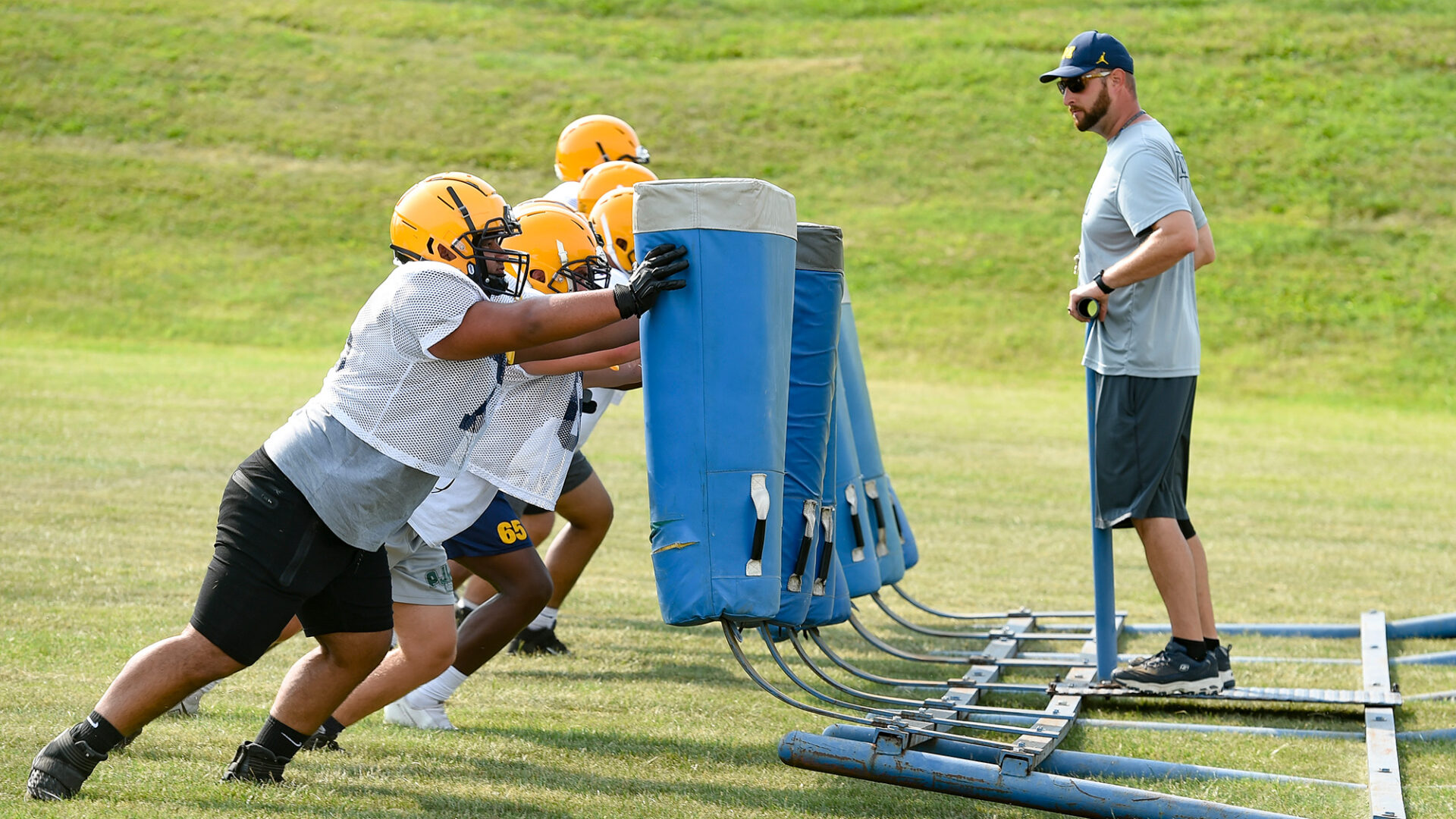
You look at the way in which practice was conducted, from full contact, two-a-day practices, which were common even in high school 15, 20 years ago. Now it’s really not allowed at any level of play. So the amount of hitting that they do, the amount of contact that players are exposed to in practice and in the preseason is far less.
NL: When players weren’t able to recover from concussions, did that likely increase their brain-injury risk?
TM: Theoretically, yes. There’s evidence that if the brain is injured and then it’s exposed to a second insult or injury before it’s properly recovered, that makes the condition even worse.
There’s actually a term called “second-impact syndrome,” and it’s very rare, so I don’t want to scare people. But there have been instances where players — it’s often, unfortunately, young players, high school players — who have had a concussion which, in retrospect, went undiagnosed and then there was a second concussive blow that led to brain swelling and death. That’s the extreme, but there are cases of that [repetitive damage] happening even on a lower scale.
Even if you don’t get another concussion, just those nonconcussive repetitive head impacts on top of an injured brain would not be good. It certainly is only going to delay recovery, likely is going to compound your inflammation and all of the downstream consequences of that initial injury.
I suspect that that was fairly common in years past, mainly because concussions generally weren’t diagnosed. No one was looking for them, and players certainly weren’t encouraged to report if they had the symptoms. So it’s very likely that many of these players, including the players that were in the [brain donor] sample, had concussions and played through them and continued to receive additional trauma on top of a brain injury.
Now whether that leads to CTE, we can’t really say. But I think it’s reasonable to suspect that it probably would increase that risk.
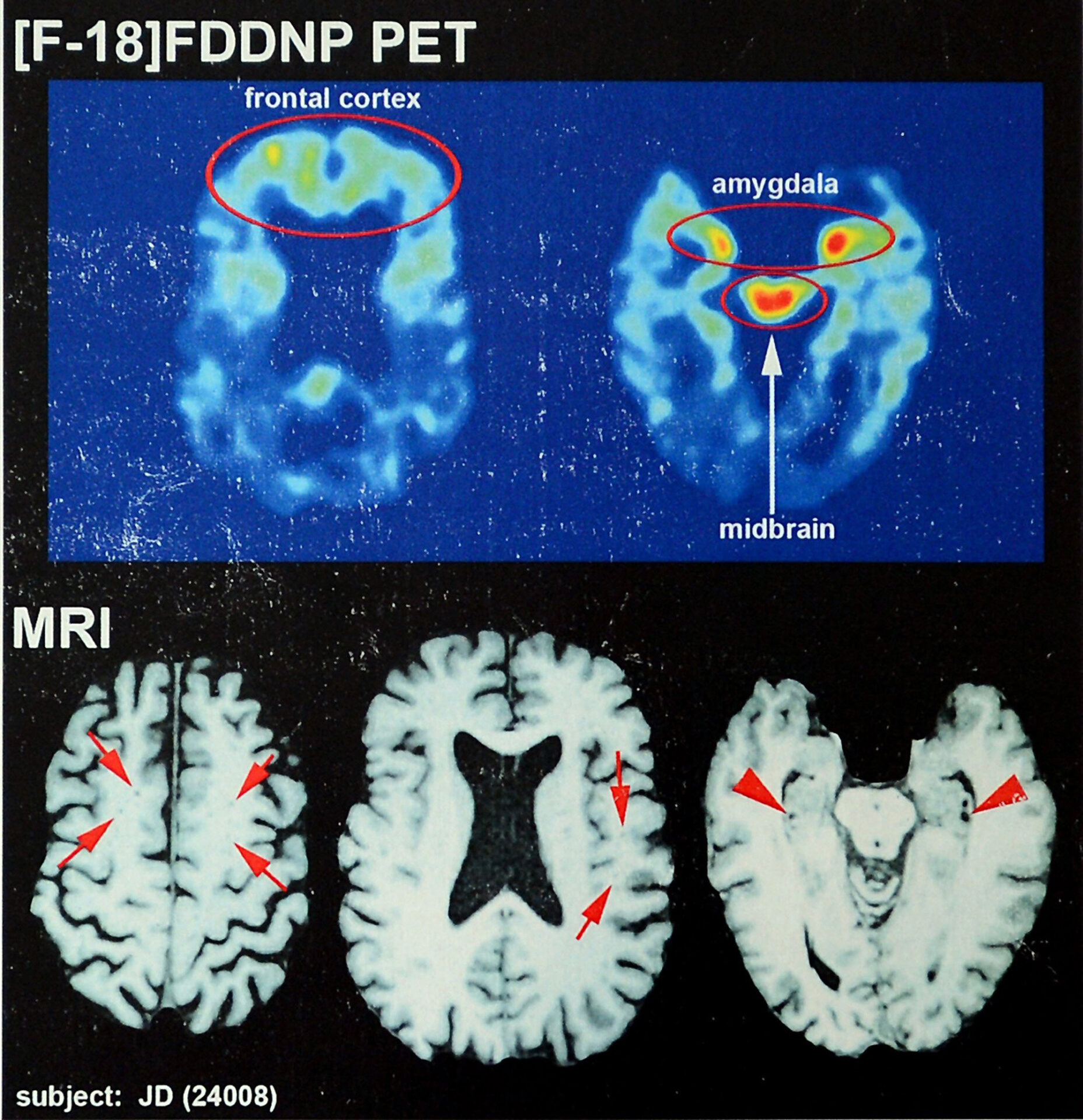
NL: Could you explain whether the physical signs of CTE in the brain tend to come with symptoms, like cognitive decline? Or is the link more nuanced?
TM: So CTE is a neurodegenerative disease that can only be diagnosed by neuropathologists — people that look at slices of the brain and look for particular proteins that are present in certain regions of the brain. [This examination is done after death.] It’s a pathological marker. It means that there are changes in the structure of the brain.
The clinical side of that is changes in mood, cognition, behavior, things like dementia or cognitive decline.
Even in the study, they showed that they [the CTE brain changes and symptoms] weren’t necessarily linked. Now I believe they showed that for those who had more severe CTE — like the stage IV — that there was a pretty high rate of those individuals who also had subsequently diagnosed dementia. They had these clinicians that looked at the records and diagnosed them. That’s a little bit of a limitation of the study: that a lot of the dementia cases were diagnosed after the person had passed away, based on medical records.
To your more immediate point, the presence of CTE: So the presence of these markers in your brain does not necessarily translate into a clinical disease or a clinical diagnosis. There can be signs or symptoms that somebody may have — let’s say memory loss or changes in behavior — that may lead someone, like a former football player, to suspect that, “Oh, maybe I have CTE because I played football and I’ve heard that that’s linked with dementia.”
That may be true, but it may also be that it’s due to old age, or it could be due to genetics or some other condition.
Many of these neurological diseases and conditions can be managed clinically, and there’s treatment. There’s therapy; there’s pharmacological treatments. There’s a whole toolbox available for people to seek help. That’s, I think, an important message for former athletes or individuals who may be concerned about developing CTE, is to recognize that there is a disconnect between clinical disease and the pathological disease. Just because you have some outward signs or symptoms that doesn’t mean that you have CTE.
NL: Since there was a higher likelihood of dementia in the stage IV cases, it seems like there’s a stronger link between the pathological and clinical diagnoses at advanced stages. Is that a fair read?
TM: Again, from this study and other studies, just the presence of CTE does not necessarily mean that somebody’s mood, behavior, cognition is altered. It seems to be more likely — it seems to be a tighter relationship at the more severe stages, which would kind of speak to what you’re talking about. A certain threshold of disease progression seems to be more likely to manifest itself in clinical disease [with overt symptoms].
NL: What should current NFL players take from this study?
TM: I would go back to what we discussed earlier: just understanding the time frame in which the study was performed and when those players were in the NFL. I think we need to be cautious about projecting those rates; it’s a pretty wide range of estimates, and it has to do with how representative the sample is. We need to use caution if we are trying to interpret those rates for the current players.
If anything, I think it probably validates all of these efforts that we discussed to try to improve brain health and minimize risk of exposure.
Even if the prevalence is on the low end — that 25% of players who played in the ’60s and ’70s developed CTE — that’s pretty alarming. That in and of itself should get the NFL’s attention. Players shouldn’t have a 1-in-4 chance or greater of developing this disease.
So let’s take steps to reduce that risk — and I think it validates all of the changes that have taken place over the last 50 years. I mean, a lot of them have taken place over the last 10 to 15 years. That’s probably the biggest message: to say we were right to do these things and we need to continue to see if there are further opportunities to make the game safer.
Hopefully we’ve made a lot of progress and current-day rates are much lower than they were in the past. We don’t know that, but let’s not be idle. Let’s continue to push forward to reduce as much risk as possible in a game where you can’t completely eliminate the risk. That’s something that I think everyone acknowledges; every player has to acknowledge that there is some risk.
NL: Looking forward, what further improvements could be made?
TM: There’s a couple of areas that are really in the infancy stages right now. If you think about brain health as a continuum where you would have a disease like CTE on one end and then optimal health on the other end — let’s say repetitive head impacts take away from your brain health and tip the scale in favor of developing disease, what are things we can do to tip the scale back in favor of improving brain health?
We know that sleep is really powerful and could learn more about that in and of itself. And what about nutrition? What about pharmacological interventions? Wouldn’t it be great if we could develop a medicine, a drug at some point that could be taken preventatively to reduce athletes’ inflammation? Really looking into ways in which we can optimally improve brain health as a countermeasure to the damage or the trauma that is occurring.
It’s not just football where these treatments could be helpful; it’s also with soccer, hockey, other sports and occupations where there is exposure to [head] trauma. I think that’s a promising area.
And then, certainly, diagnostic techniques. We talked about CTE only being able to be diagnosed at death. It would certainly be a game changer if we could diagnose it convincingly in the living so it could be recognized early. People are going to have different risks, and some of that is probably genetically determined; some people are going to have the same level of exposure and develop CTE while some aren’t. If we could identify individuals who are at higher risk or in the earliest stages of the development of the disease, you can then change lifestyle, behavior, exposure — that would be huge as well.
When I do talk to players and coaches and parents, I often like to remind them that, generally, the benefits of playing sports, including tackle football, outweigh the risk.
NL: To shift gears slightly, could you describe your own research in youth sports?
TM: Most of my work over the last 15 years has been focused on youth football players. That’s been an interest in measuring repetitive head impacts and neurologic function in youth football players and some work in high-school-age players, as well. So a lot of that is focused around subconcussive injury [head trauma that does not trigger overt symptoms of concussion, like nausea, light sensitivity or thinking issues]. We’re looking at the effects of these nonconcussive head impacts on brain health.
That ties into the CTE question in the sense that CTE is thought to be due to cumulative exposure to brain trauma — repetitive head impacts — and certainly most of the work, like in this study, has been done in NFL players. The question for a lot of the general population is, “What about youth players, high school players, that make up 90% of all football players?” So from a public health perspective, it’s those younger players that I think we really need to be studying and concerned about.
That’s not to say this study isn’t really important. It certainly is, but my focus has been on that younger population. And then I do have some experience working more in a hospital background [on] clinical concussion management and [developing] objective pictures of concussion.
NL: With recent research, do we better understand how those nonconcussive impacts affect brain health?
TM: Going back maybe 15 to 20 years, people started to recognize that there were some cumulative effects of concussion. Those were some of the earlier studies showing that former NFL players who had multiple diagnosed concussions had worse outcomes later in life — that kind of put the spotlight on concussion. Concussion went to the forefront, in terms of how we thought about brain injury in football.
And then, over time, this recognition of what has been termed subconcussive or nonconcussive brain injury has emerged, as there’s been some imaging studies in collegiate athletes, and even high school athletes, that have found that players who don’t get concussed sometimes have changes in their brain, even over the course of the season.
That dovetails with some of the CTE research which has shown that history of concussions isn’t necessarily predictive of who developed CTE. It’s more of a cumulative effect of repetitive brain trauma. So the CTE researchers have essentially concluded that it’s history of repetitive brain trauma, rather than history of concussion, per se, that’s a leading risk factor for CTE.
With CTE, it’s always looking backwards, because it’s something that’s diagnosed at death. For researchers like myself who study concussion, or study active football players, that has also then been a reaction of saying, “Well, if it is repetitive trauma, if it’s repetitive head impacts, that is a risk factor for neurodegenerative disease such as CTE, then that makes it even more important to study it in active players.” What does that head impact exposure look like at different ages, and how can we reduce that exposure? How can we reduce the number and severity of head impacts that players are experiencing?
So there’s both the CTE angle, which is, again, retrospective — I’m looking at former players. And the contemporary issues of players who are currently playing and what’s the risk for concussion, but also what’s their exposure to repetitive head impacts? So it’s really tied together.
That’s why there’s so much concern about repetitive head impacts and why there have been rule changes at the collegiate and high school level about the amount of contact and limiting those types of activities, with the idea of reducing that overall head-impact burden.
NL: When you talk about repetitive head impacts broadly, I assume that covers both concussive and nonconcussive impacts?
TM: Yep — so every hit would be considered a head impact, and then certain impacts are strong enough, or hit you in the right spot, to cause a concussion. The vast majority of impacts are nonconcussive.
NL: How do you speak to these athletes’ families about the risks of concussion and CTE?
TM: When I do talk to players and coaches and parents, I often like to remind them that, generally, the benefits of playing sports, including tackle football, outweigh the risk. Oftentimes we get so concerned about the risk, which is real, that we forget about the benefits and about the alternatives of not playing. Almost always, the benefits — from the physical, the psychological and social components, the mental health components — are going to outweigh the risks. That’s one thing to keep in mind.
Second, the risk of injury — in this case, CTE — is likely going to be far less in those younger players than older players, NFL players because their exposure, the number of impacts, the severity of impacts is far less. With my research, I’ve measured those head impacts and compared them to high school players and collegiate players, and extrapolated to NFL players because that data isn’t available. And you see this big stepwise increase in exposure from the youth, the high school, the collegiate, to the NFL players.
[With parents], I’m reassuring them that the risk is far less for the younger players than what they hear about in this type of study. We’re talking about an apples-to-oranges comparison.
I also like to remind them that, in my opinion, the game of football has never been safer. I’ve got a bit of a personal perspective on this as well, because I played football myself through college.
Related stories
NL: Who did you play for?
TM: I played for a Division II school in South Dakota called — it’s Augustana University now; it was Augustana College when I played there.
So I played 12 years of tackle football, and I can compare what tackle football was like when I was in fifth grade versus now — with the training that coaches have and the type of equipment they have and the way the practices are structured. It’s completely night and day.
Even at the collegiate level, the way in which collegiate practices are conducted and the safety measures that are in place for current collegiate players is nothing like what we had when I was playing. So I like to reassure players that this is probably the safest time to be playing the sport of football.
At the same time, I acknowledge that this is an individual decision that parents need to make with their kids and evaluate that risk. One of my goals as a researcher is that I want to provide more empirical evidence so that they can make an informed decision, so that a parent would be able to say, “My son’s risk of getting a concussion while playing youth football is 1 in whatever” — you know, 1 in 10, 1 in 5, or 1 in 100, whatever that case may be. And his risk of getting CTE by playing four years of youth football or four years of high school football would be this. Then you make an informed decision. Is that risk worth the benefit of participation?
Unfortunately, we don’t know what that risk is [currently]. We can’t tell parents, “Here’s objectively what your risk of injury is going to be.” It makes it tough for parents. So I like to reassure them that a lot of the concerns that are expressed for NFL players are greater than they should have as parents of youth players.
This interview has been condensed and edited lightly for clarity. It is for informational purposes only and is not meant to offer medical advice.
See how much you know about the most complex organ in the human body with our brain quiz!