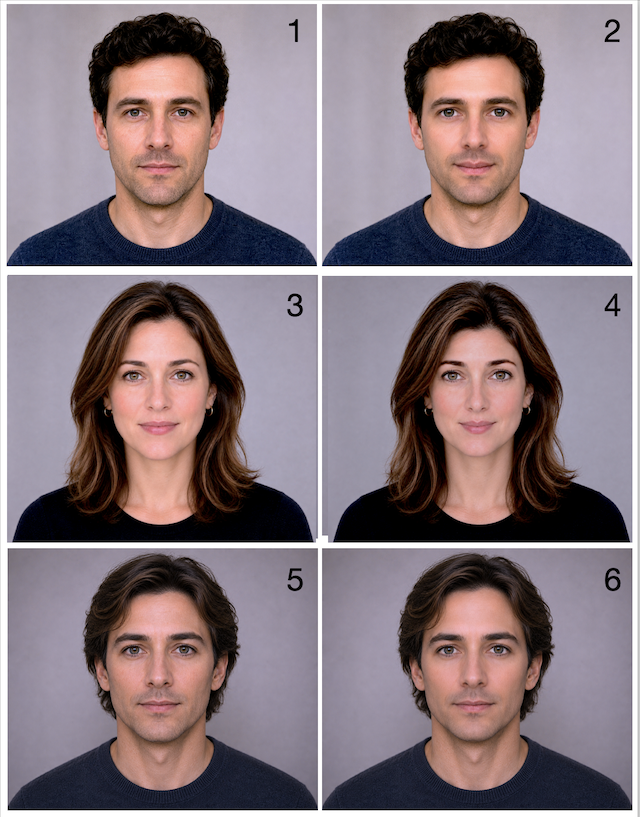










image by AI; my own prompt — ‘me’ imagining worst-case scenarios
Every day, something happens that gets me anxious or upset. Technology failures, news about outrageous events, abuses and other horrors, meanness and unfairness by people I know or observe. Small worrisome physical or mental health issues. Dismay and shame at my own behaviours. Dread about something terrible that someone who I don’t even know says they will do tomorrow. Re-thinking something I or someone else did yesterday, or should have done, or shouldn’t have done. Anxiety about what might happen today, or next month, or ten years from now.
Why do I do this, and get upset about this? I ‘know’ that there’s no such thing as free will or agency. I ‘know’ that all there is is what is seemingly happening, that it’s all just appearances. That there’s nothing that ‘I’ or anyone else can do about it. I know indeed that there is not even any ‘real’ space or time in which this upsetting things is apparently happening. Space and time are just labels invented by the brain to try to make sense of the firehose of sensory signals flooding it, by assigning them categories and sequences. I ‘know’ this even though it boggles my mind just thinking about it. That the ‘real’ world is completely alien to my lovely, consistent, ‘sensible’, manageable model of it.
Still, knowing all this, I continue to behave as if I have some free will, control, or agency over what I do (or a least what this body does). Even when I know that what this body is going to do is actually entirely determined by prior conditioning and current circumstances. All this furious categorization and sensemaking just comes after, as the ‘post-game show’.
So why then do I behave in this completely illogical, nonsensical manner? I could say, circuitously, that it’s because I have no free will to do otherwise. ‘I’ am not doing anything. It is this apparent body that (in the sense-making story concocted in the brain) acts out its conditioning, not ‘me’. I merely take credit (or blame) for what it does, afterwards.
The misunderstanding comes in the semantics, of course. When we say:
“Why do we behave as if we have free will when there’s overwhelming evidence we do not?”
We must ask: What do we mean in this question by ‘we’? And who is the ‘we’ using this term?
So I could say instead:
“Why does this ‘self’ rationalize this body’s behaviour as if it had any say in what this body does. when there’s overwhelming evidence it (this ‘self’) does not?”
The answer of course, is that that’s how this ‘self’ has been conditioned to behave, just as what this body does is simply how it’s conditioned to behave. The behaviour of the ‘self’ (what it believes, since it actually ‘does’ nothing) has no effect on the behaviour of the body, though conversely the behaviour of the body (and other bodies) enormously affect what this self believes.
To strain the metaphor, the post-game show has no effect on the actual game, while what happens in the game heavily determines what happens in the post-game show. Indeed, without the game, the post-game show would have no purpose. But the game would take place just fine without the need of the post-game show.
Suppose the pundits in the post-game show thought that they had complete or partial control over what had happened in the game. That they could affect the outcome of the game retroactively through their analysis. We would certainly consider them mad.
So what’s up with the self that it behaves in this insane manner, taking credit or blame for what has already happened without it?
Consider a specific example: I plan on buying a box of chocolates for friends I will be visiting the next day. But I forget to write it down on my shopping list, and hence forget to buy them. The stores don’t re-open until after my visit with my friends. I feel bad for this failure (angry and disappointed at ‘myself’, concerned about ‘my’ increasing memory loss with age etc). When I meet my friends I apologize (they of course remembered a gift for me).
What’s going on here? Everything I did (and everything I failed to do) was determined by my conditioning (eg making and relying on lists) and by the circumstances of the moment (eg getting distracted by something urgent when I was about to add something to my list). Why then am I feeling angry and disappointed at ‘myself’? And of course I’m also projecting (probably wrongly) that my friends are likewise disappointed in me for ‘my’ failure.
The presumption is apparently that if I were properly organized, thoughtful and disciplined in my behaviour, these disappointments ‘would’ not have happened, and that henceforth I ‘should’ be more organized, thoughtful and disciplined (if I want to avoid future disappointments). But every ‘would’ and ‘should’ betrays the fallacy of agency.
I am feeling these feelings (shame etc) and drawing these conclusions (“disorganized, undisciplined”) for no logical reason, because the assumptions on which they’re based (that anything else could possibly have happened) are flawed — indeed, they’re complete fictions.
But that’s where we are, with this mental model that has evolved in humans that seemingly mistakes its post hoc rationalization for in-the-moment agency.
This is a crazy-making mental model, and might perhaps qualify as the underlying cause of how our species (thanks to nature playing around with our large mental capacity) became disconnected from the rest of life on earth, chronically stressed and anxious to the point of severe and dangerous life-long mental illness.
There is, of course, no ‘cure’ for this illness. But, I suppose, like those suffering from constant hallucinations might get some small comfort from ‘knowing’ their hallucinations aren’t ‘real’, we might find some solace in knowing that all the feelings of shame, blame, chronic anxiety, dread, remorse, and other ‘judgemental’ emotions that plague our species now, are maladaptations, misunderstandings of our baseless imaginings of things as being ‘real’ and under our control, when they are just inventions of the brain. We make shit up, and then feel bad about what that shit ‘means’.
That won’t stop us from feeling those miserable, unwarranted feelings and having these unjustified, judgemental thoughts, but at least perhaps we’ll recognize them as the ‘hallucinations’ that they are.
So I’m going to keep getting upset every day by something or other, for no useful, healthy or justifiable reason. And I’m going to keep writing this blog, and keep reading books and the doom scroll to try to make sense of everything, and keep doing all the other stuff I apparently do. And this self will keep rationalizing what this body has already decided to do and has done, as if it were somehow ‘my’ choice.
And maybe, just maybe, I’ll smile at my self a bit more when I catch my self doing it.