





Attention Over Anticipation
Call it gratitude or acceptance. But the idea is noticing what exists rather than what could. I realize life offers infinite value, not always associated with joy. More is not always more. In Everywhere and Nowhere, I explain home as internal, carried, not located. The following continues that conversation. Because after accepting home is not a fixed place, the question is how to be where you are. And from my experience, the answer is to notice.
Anticipation
Like many, I had big plans for my future that turned out differently. For better or worse. I sometimes wonder how younger me would react if she could see my life now. Maybe tired, disappointed, or surprised by the plot twists. Much like I feel looking back on the last decade. I’ve reached the milestones I once hoped for, just not all at once or in lasting form. That’s part of adapting in real time.
A few years ago I told myself I would write a book by 30. I’m turning 32 this year. I haven’t written it yet, mostly because priorities and interests have changed. If I had written it at 28, it would have been a different story. What I believe, how I see things, and my idea of balance keep shifting.
Anticipation creates an idealized future and past, then measures the present against them. It tracks the gap between what was and what could be, often missing what is. Goals and ambitions matter, but so does recognizing where you are now. Balance means attending to both.
Attention
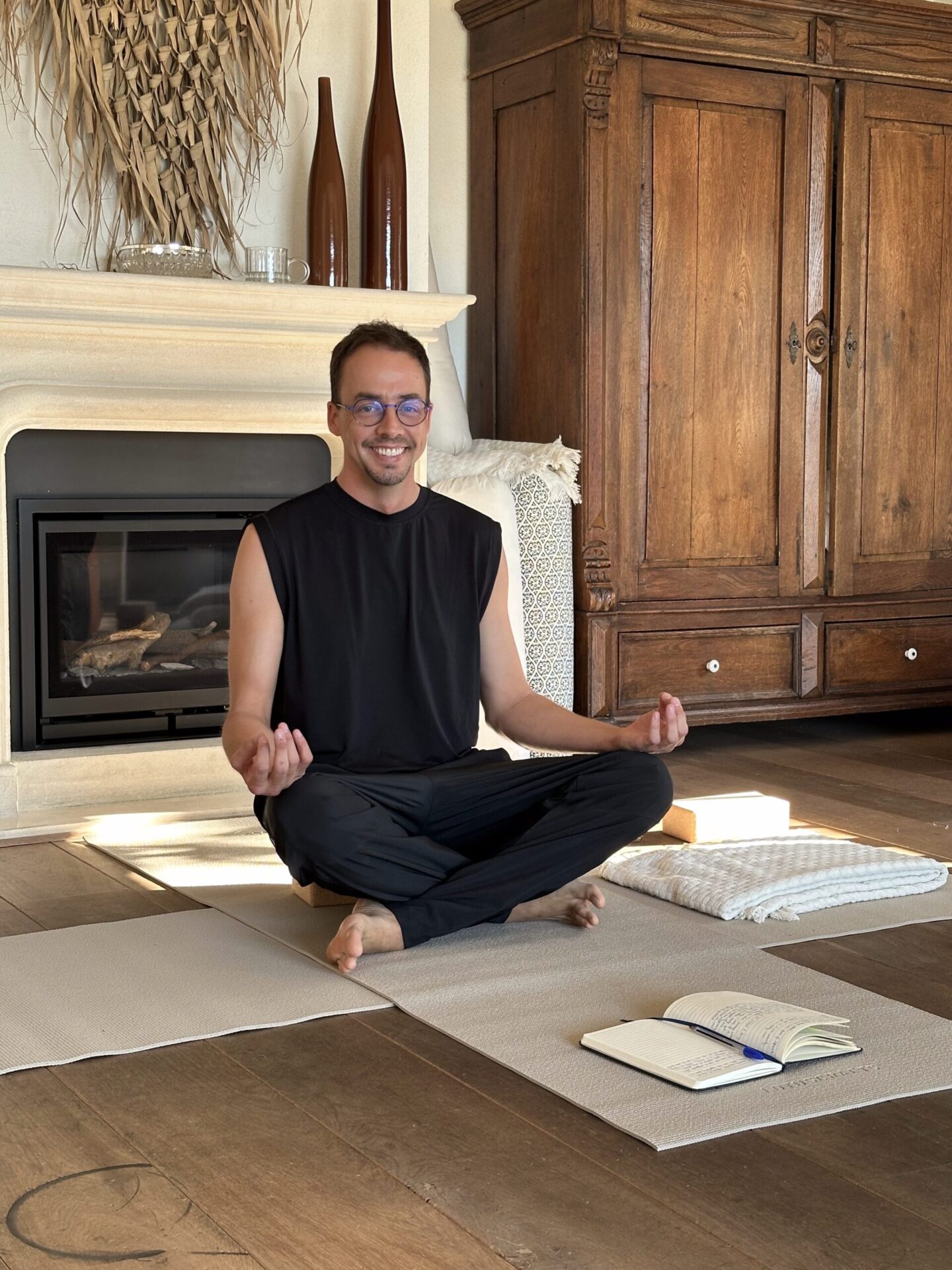
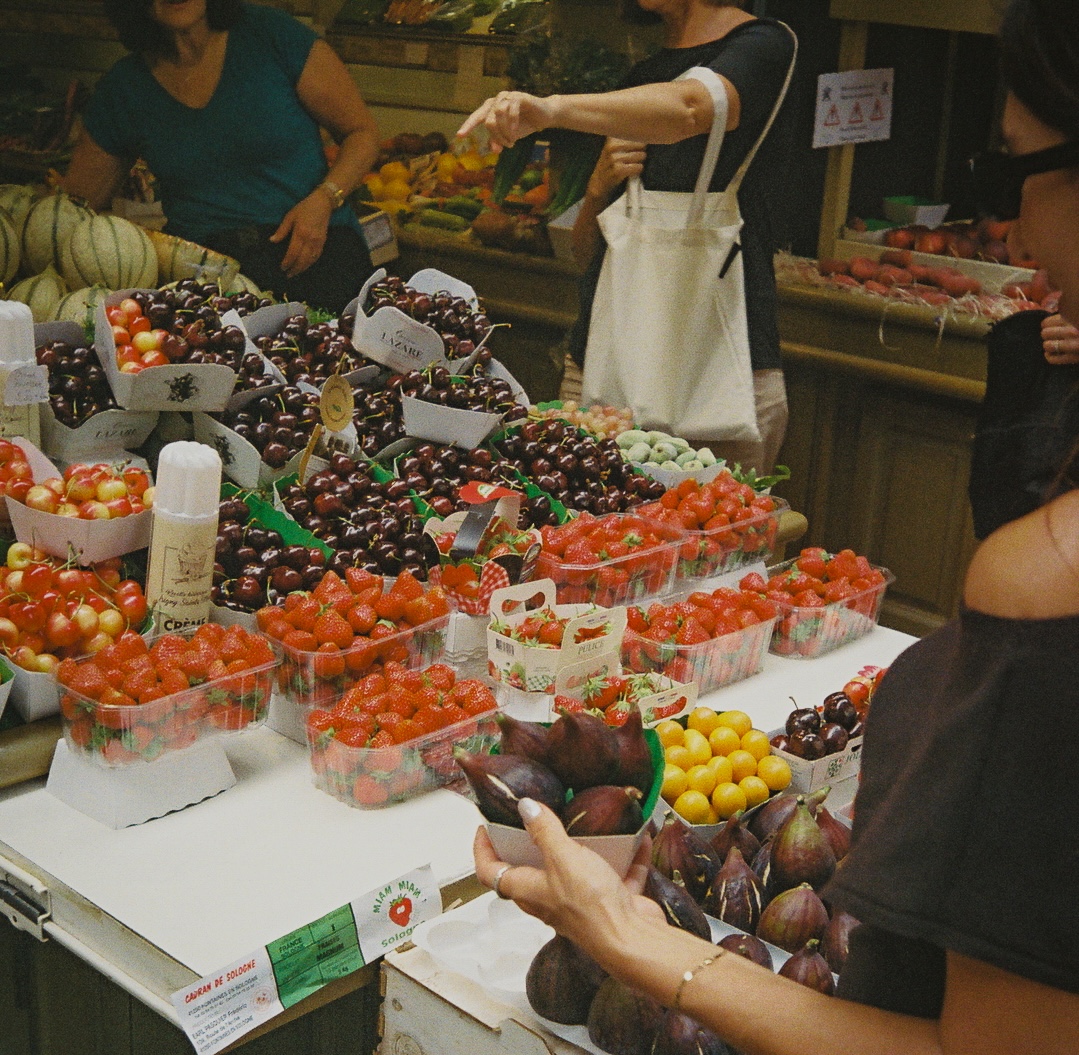
Attention is the prerequisite for gratitude, contentment, and relief. To appreciate is to notice. This seems obvious, yet so much of each day is spent distracted. It’s a practice. I started yoga to manage my thoughts and energy, often feeling overwhelmed by circumstances that took more than they gave. Breathwork and movement helped me notice chaos without becoming it. To watch what was happening without absorbing it.
Understanding this concept is different than living it. Regular practice helps me recalibrate. That’s why I became a yoga teacher: to create space for others to pause, restore energy, and build confidence to manage life, rather than be managed by it.
Outside of practice, attention shows up in moments. In people and places that come and go, in a stranger’s kindness or a friend’s honesty. The words and gestures that stay with me have shaped my life more than achievements or attachments, which tend to fade. Milestones matter, but the intangible memories and feelings mean more to me. Focusing on details grounds me and brings gratitude. It’s how I appreciate anything at all.
Attention works in two ways. Up close, details anchor us. From a distance, the big picture puts events in context. A plan that fell through, someone who left, a year that went sideways. Zoomed in, these things feel heavy; zoomed out, they form a necessary pattern. Both views matter, but switching between them keeps things balanced.
Yoga is Liquid
Although it’s widely recognized in the yoga community that yoga has many forms, most people with limited exposure still associate it mainly with movement or spirituality. I often share this lecture, which a good friend first introduced me to, with others to show how yoga applies to daily life, not just as an exercise. Challenging that narrow view is a focus in my teaching.
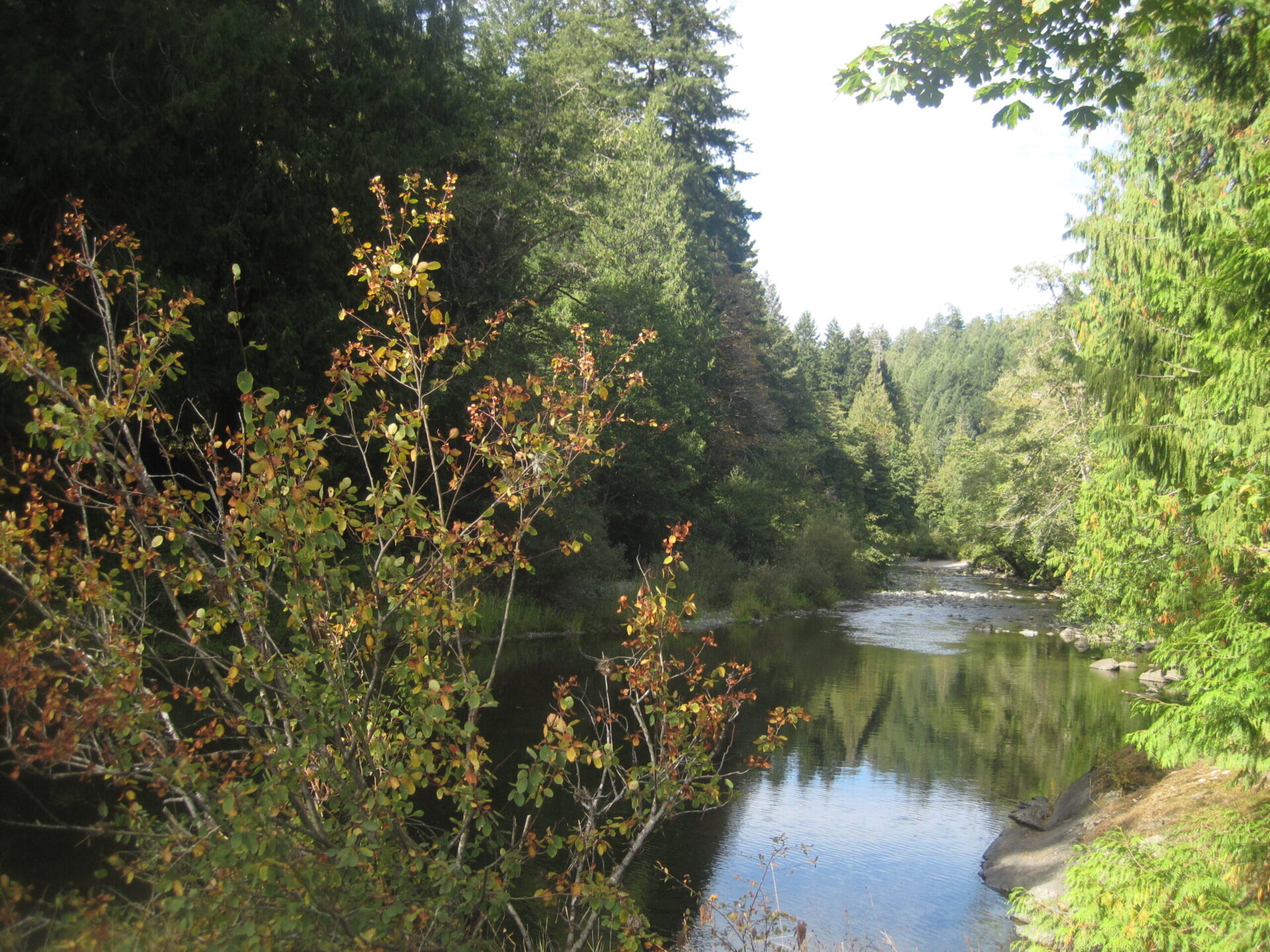
The Ashtavakra Gita is one of yoga’s oldest non-dual texts. Its core message is detachment. Observing what happens without letting it define you. It uses the analogy of a still lake reflecting its surroundings. When the water is disturbed, the reflections vanish. We are the water, not the reflections. Life’s events, people, and plans are temporary, like those reflections. They can be noticed and appreciated, but shouldn’t be mistaken for our true nature. Creating distance from experiences means not letting them dictate who you are, not ignoring them.

Acceptance
By paying attention, we practice acceptance and gratitude. They exist together. Noticing what is, allows us to appreciate it. Everything else follows. The challenge is internal. Forgiving what only time can teach.
I always loved writing, but realizing sensitivity was at the core of it made me uncomfortable. For a while, I resented anything that reminded me of it. It took years of paying attention to see sensitivity as a tool, not a flaw. Now, I try not to take things so seriously, show up as I am, and practice basic compassion, for myself and others. That’s really all any of us can do.
Life changes direction. Plans fall through, timelines shift, and who you become isn’t always who you expected. None of this is failure. It’s not too late to try something new or return to something familiar. Sometimes, staying where you are and noticing what’s present is the real challenge. Lessons, people, and resilience come from experience, not planning. I don’t see life as happening to me. I act where I can, accept what I can’t control, and know that attention is mine to direct.
This is the practice: loosening the grip on the future without letting it go and noticing what’s been achieved without lowering the standard. Anticipation asks what could be; attention recognizes what is. Only one can be answered in the present.
The post The Art of Noticing appeared first on Yoga Trade.