



The following comes from a conversation with a friend about place and alignment.
I keep returning to emotions. We talk about choice, manifestation and intention, but rarely about sensation as a way to determine place. For many, it’s the reason to travel or move. See somewhere new. Break old patterns and habits. Experience that belonging, joy, and love exist. Feel at home in a place, or places, of choice rather than circumstance.
The hard ones are what we avoid. Heartbreak, longing, grief. But they tell us something too. They anchor us somewhere, or they release us from it. And when it’s time to move on, literally or figuratively, we adapt.
From somewhere, not of it
I’ve never entirely felt connected to the country where I grew up. Third-generation Italian, born in Canada. Sunday lunches at nonna’s and every Catholic holiday celebrated, though I’m not religious. I speak a dialect that doesn’t quite fit in Italy, adopted from grandparents who never learned English. Family came first, and we expressed emotion, for better or worse. It was all different from a traditional Canadian upbringing, even though Canada is where I was raised.
I tried to belong to both cultures. Now the explanation takes longer: I was born in Canada to an Italian family, became an Australian permanent resident, and now live in Brazil. A friend in a similar situation told me about third-generation interest, from historian Marcus Lee Hansen: “what the son wishes to forget the grandson wishes to remember.” Research on third-generation kids describes what I lived through. Growing up around customs that feel familiar and normal but don’t match the wider culture, and carrying a disconnection from both. I grew up a little lost. From somewhere, but not of it. Sometimes I still feel homesick for somewhere that doesn’t exist. An alien in the city where I grew up and a foreigner everywhere else.
In We Attract What We Are, I wrote that we don’t choose where we’re born, but we determine where we can go. From when I earned my own money, I put it toward travel. I rarely bought stuff. Spending on things always felt like a waste when that same money could literally go further. I bought plane tickets and invested in growth: experiences, knowledge, relationships, and community.
Emotions are a map
I learned many years ago that “should” is a tricky word. It insinuates decision-making based on someone else’s criteria, absorbed early enough that we mistake it for our own thought. Should is ego: comparison, perception, force, anything inauthentic or orchestrated. Emotion is the other direction. Not sensitivity or reactivity, the connotations we’ve attached to feeling, but the sense that something is off. Lingering uneasiness. We call it gut or intuition. It’s information.
We treat emotional decisions as impulsive. Maybe a decision made from something we’ve sat with is more informed than one made from what we should do. It’s one thing to identify. Another to understand. Another to change.
We’re increasingly cut off and reliant on automation, and we’re competing over who can care less. Detachment as performance is ego again, and it costs more than it protects. We’re drawn to people for how they make us feel about ourselves. We project what we want to feel onto others, when really it’s the love we give that we’re feeling. Caring less doesn’t keep us safe. It just gives us less to feel.
Anthony Bourdain felt everything out loud. Travel isn’t always pretty, he wrote, and sometimes it breaks your heart, but “the journey changes you.” We feel things, we make decisions, and we live.
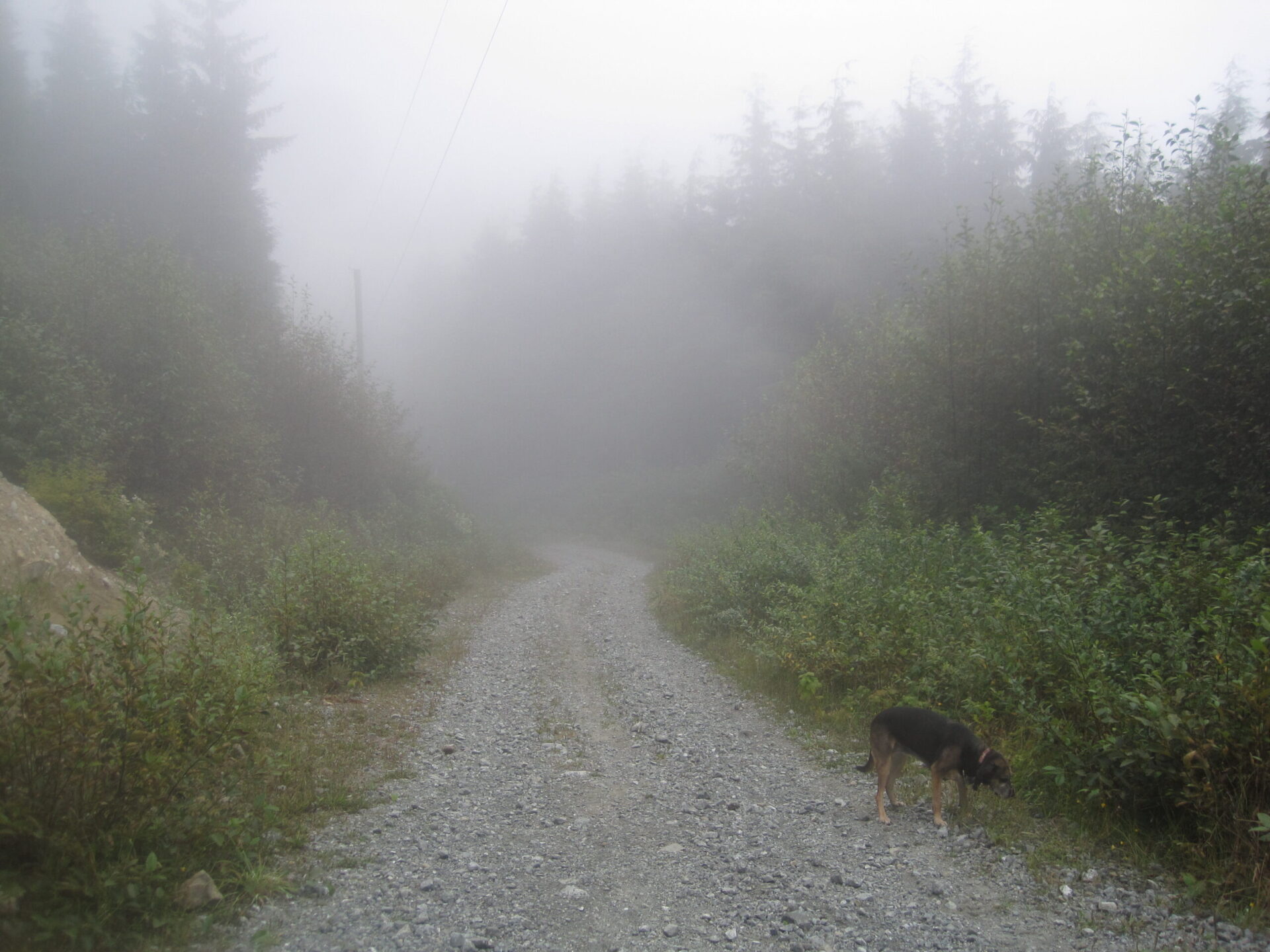
Feeling your way out
Feeling your way home also means feeling your way out of a place that isn’t right for you. Sometimes leaving is the honest response to what you feel, and an act of self-respect. What once felt like home might no longer, and that’s okay. Our standards evolve as we do.
A suburb once secure starts to feel suffocating. A place you chose feels good for a while, then doesn’t. Sometimes staying and ignoring the signals does more harm than leaving. You know when it’s time. Not just with places. Relationships, versions of yourself. I admire people who do hard things, and I can’t think of much harder than trading comfort for uncertainty. Especially when you can’t name what’s off, only that it is.
My issue is with the modern attachment to the word nomad. It’s become an identity to claim rather than a description of how someone lives, and it sets up a comparison: here versus there, movement versus stability, ambition versus laziness. We can be both. And in some ways we’re all nomads. Even people who seem to have everything figured out. When life throws a curveball, what’s left is resilience, self-trust, and adaptability, and most of us have more of those than we think.
Anthony Bourdain spent decades in perpetual motion and wrote, “I’m not going anywhere. I hope.” I read it as the work. The people, the line he’d stand on and by. Not a country. He measured belonging by what he was part of, not where he was.
I feel at home in the jungle for the diversity and the palpable life. A monocrop is the opposite. Rows of one thing, easy to manage, stripping the soil and collapsing at the first change. A rainforest holds everything together. Canopy, rot, new growth, all of it feeding the rest. That’s how it survives, and how it gives back more than it takes. People are the same. Movement and stillness, certainty and doubt, arriving and leaving, all at once.
I don’t want to be defined by my location but by what I contribute wherever I am. How I show up. What impression I leave. Whether I’m honest with myself. These matter more than whether I bought a house.
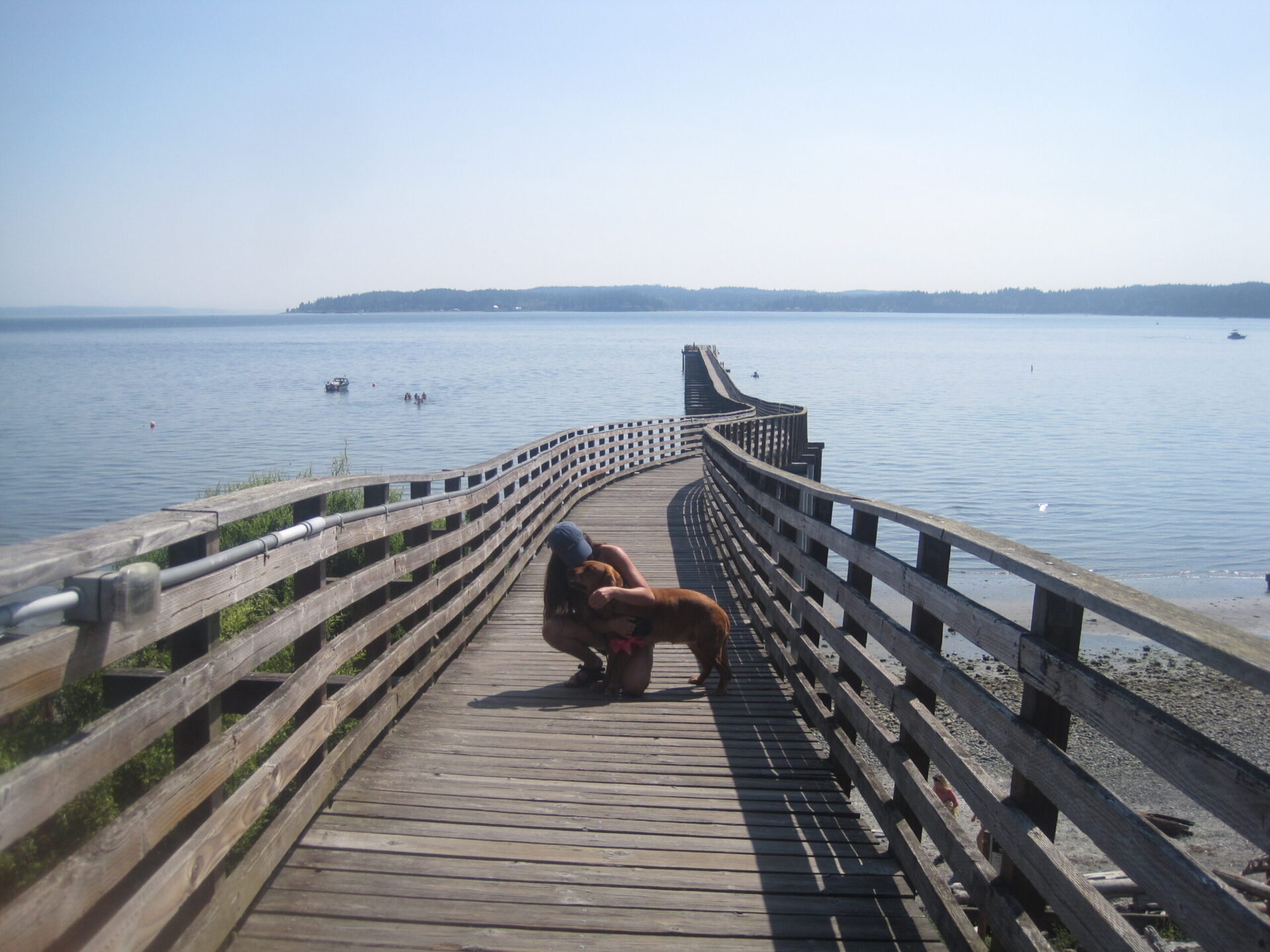
Full circle
This summer I started to explore the country I spent my whole adult life leaving. It began with the people I can go years without seeing and sit down with like nothing lapsed, reminded that who I am is enough.
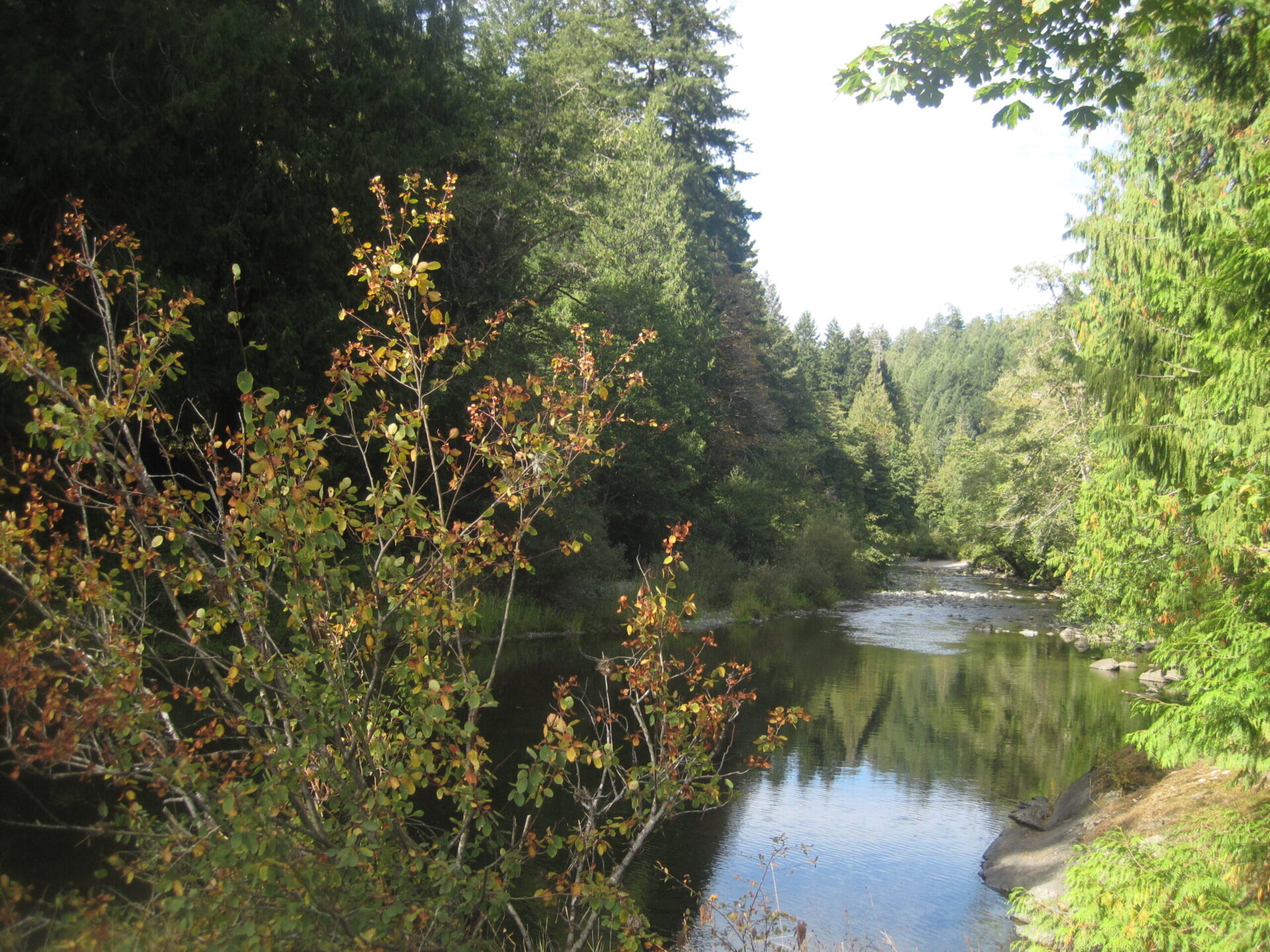
Then the west coast of Canada, seeking something familiar and different at once. For years I crossed the world looking for other cultures while my own country sat there, rich and diverse, unexplored by me.
I found more than I was looking for. A calm nervous system. A community that formed quickly without being shallow. People who chose a slower life around nature, the same thing I sought in wild places elsewhere. The forest, the mountains, the ocean: it all exists here. I surfed the Pacific for the first time and joy moved through me. I was rested and full, for no reason other than a decision I made by trusting how a place and the people in it made me feel.
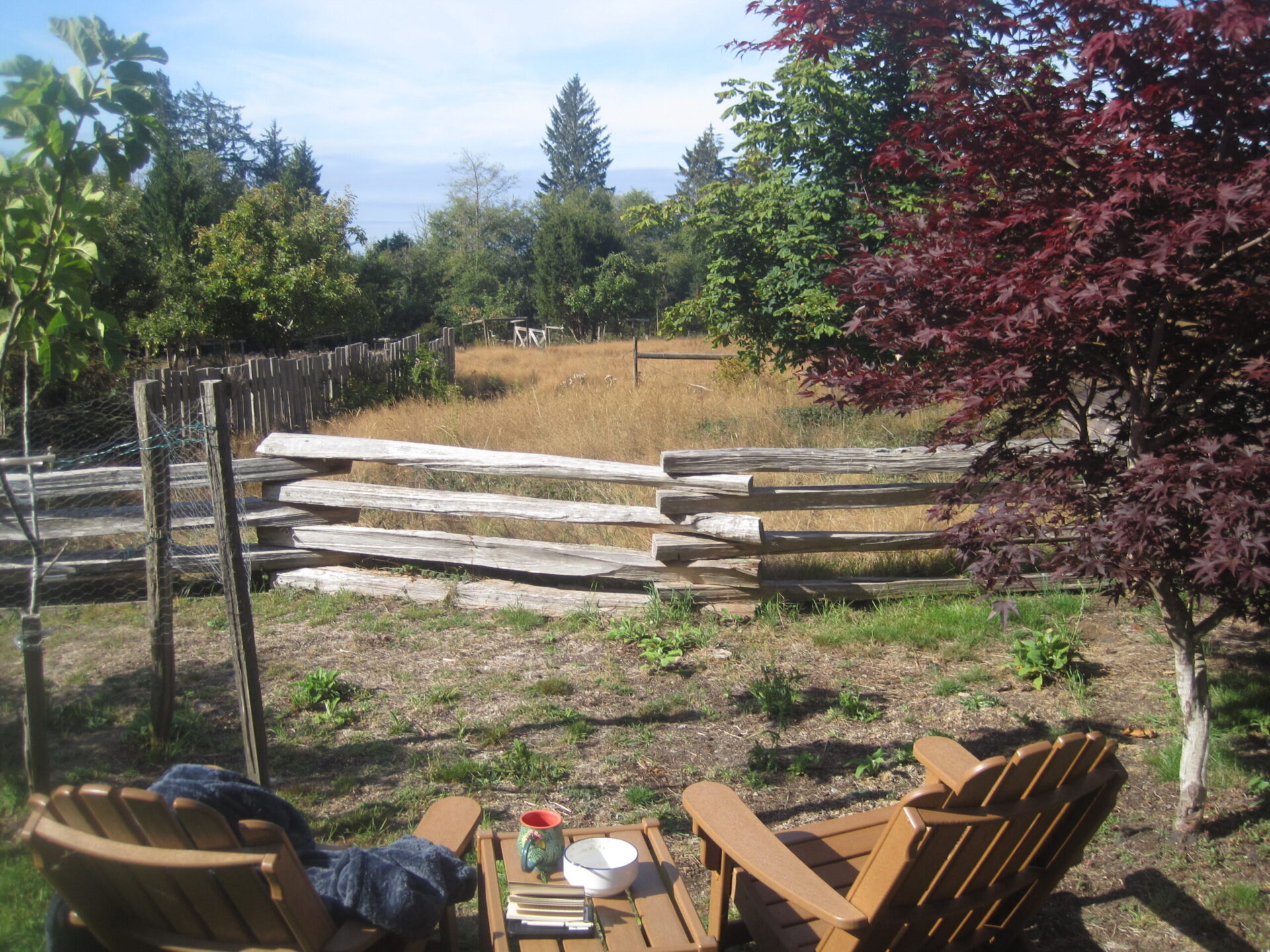
Place for peace
Yoga is a practice of trust and self-awareness. Svadhyaya, self-study, is honest inquiry. Not insight for its own sake. I was chronically self-aware for years and repeated the patterns anyway. What changed things was letting the inquiry inform actual decisions. We notice what we feel. We learn to trust it. Then we can act from it instead of what we think we should do. Experience becomes information and emotion becomes guidance.
To feel is to live. Or as my friend said, some people feel the rain, others just get wet.
I write these pieces as a mirror; an internal conversation starter. Is this what I want? Can I have something different and also be different? Can I change what I spent years cultivating and identifying with if it isn’t aligned? Yoga Trade enables the action. Options that meet you where you are, and change as you do.
My advice and the same I tell myself: remember to take it in while you figure it out.
The post Feeling Your Way Home appeared first on Yoga Trade.