




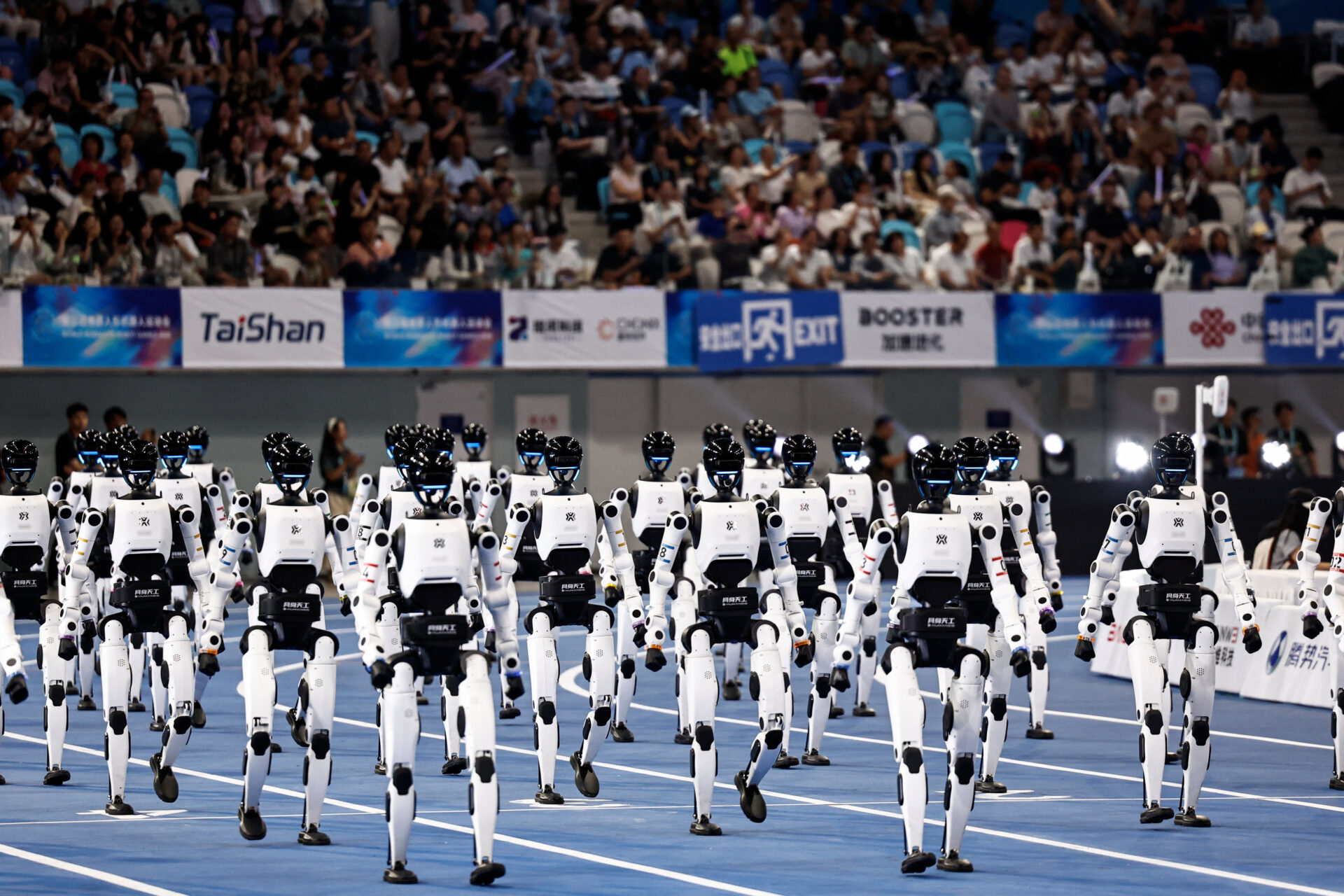
There is no going back. We have slipped into a post-human society, even if we are still in the earliest chapter of our brave new culture.
The frontier models from ChatGPT and Claude are shocking in their understanding of the world, and they are getting smarter every day. We have already seen what happens when AI is unleashed inside language.
Now, thanks to the 2026 World Robot Conference in Beijing, we are seeing what happens when AI gets a body and begins moving through the physical world.
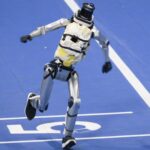
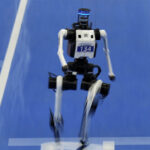
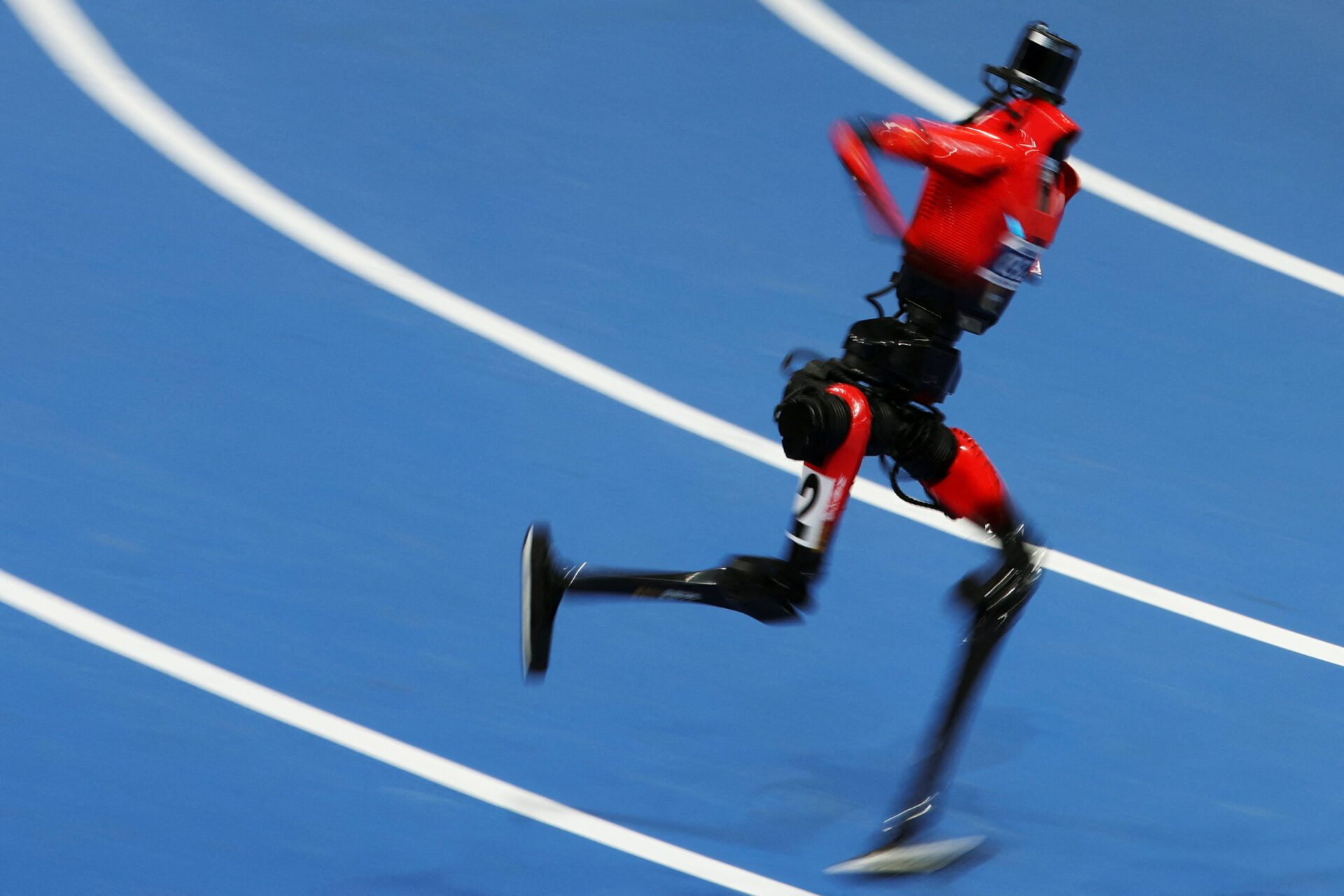
The progress is sci-fi. At this week’s Humanoid Games, one robot reportedly ran 100 meters in 9.32 seconds, faster than Usain Bolt’s human world record of 9.58. Another cleared 2.88 meters from a standing jump, well beyond the human record. Last year, the same robotic 100-meter race took 21.5 seconds. The body problem is collapsing fast.
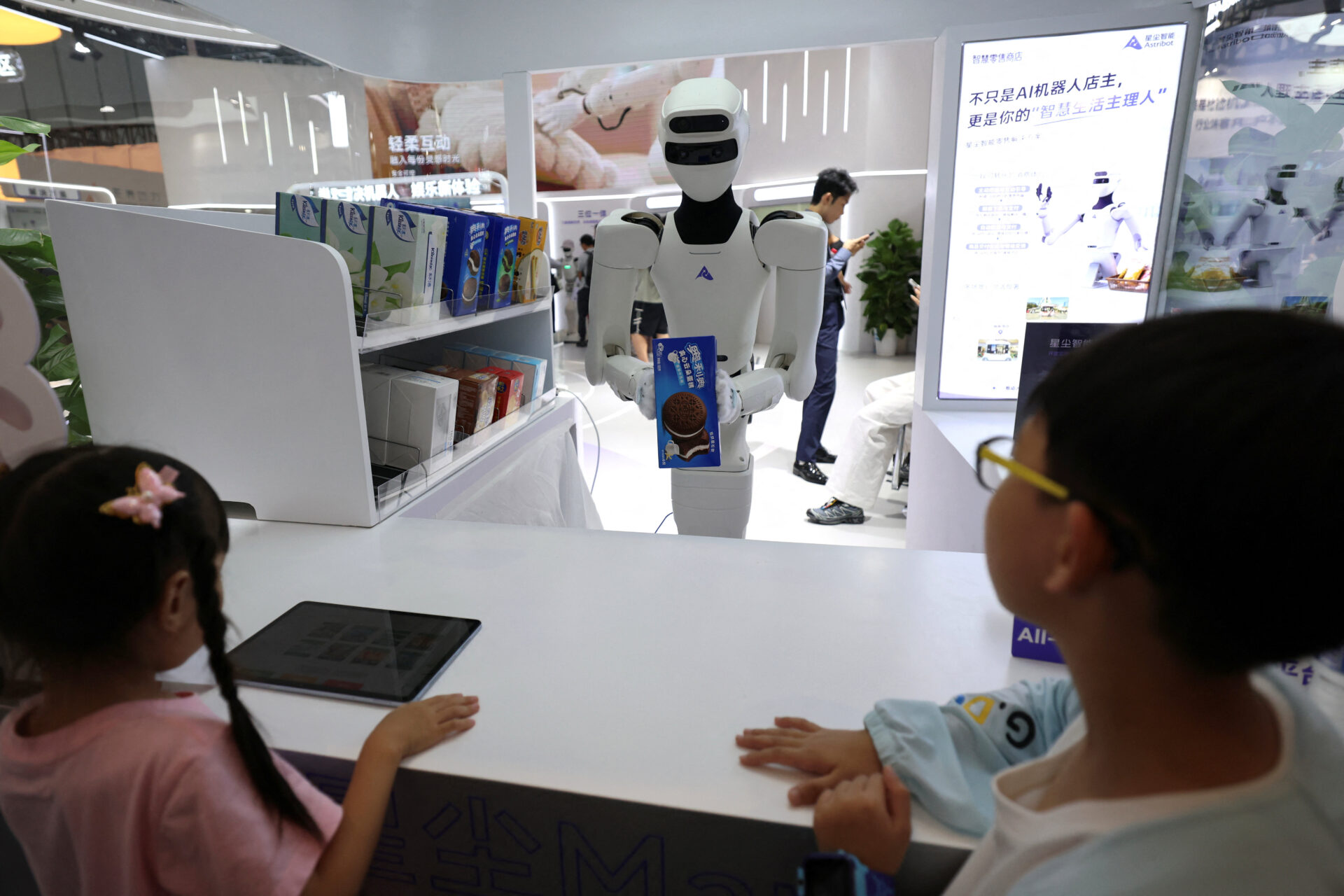
But physical party tricks are only a small part of what is happening. Robots on the conference floor cooked noodles, made mooncakes, mixed drinks, sorted packages, loaded factory parts, restocked pharmacies and guided crowds.
Since the advent of robotics, these supposedly simple tasks have been the hardest ones. The late Berkeley philosopher Hubert Dreyfus argued that abstract calculation was never the real test of intelligence; it was our effortless ability to recognize what matters, to move through the everyday world. That was the wall robots could not cross. Now they are getting close.
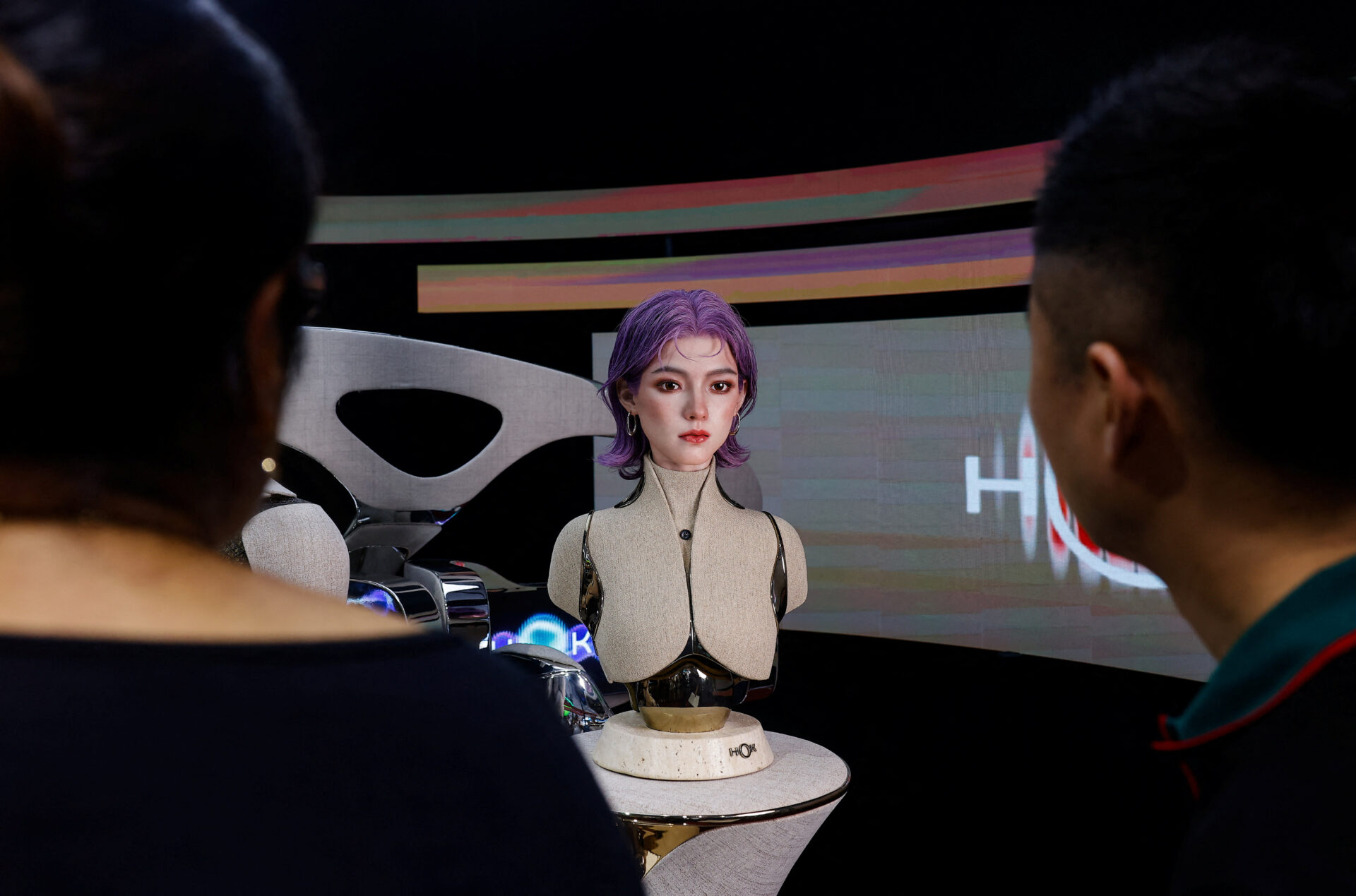
And now they are beginning to look like us, which is shocking because it just gives you such a powerful representation of how far deep we are inside the new AI matrix.
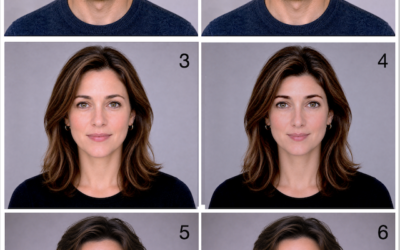
HokMind, a nearly unknown Beijing startup, made that impossible to ignore at the conference. It introduced the Primal F1, a half-body robot designed for face-to-face interaction, and the Primal M1, a full-body bionic robot making its first moving and talking public appearance. Their faces track your eyes, blink and respond, while language models allow them to hold conversations and react to the people around them.
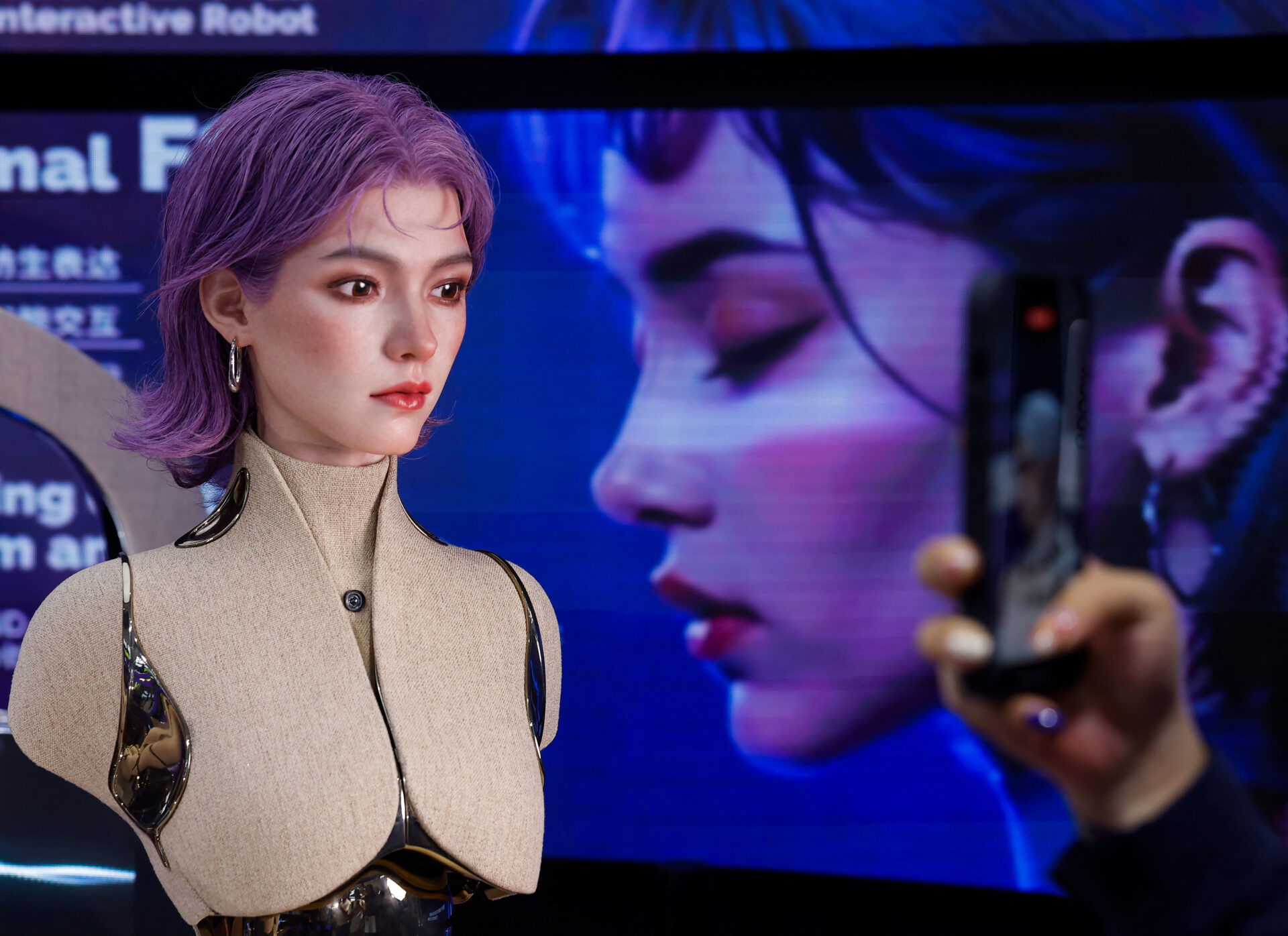
There is almost no public paper trail on HokMind. Founder Sun Niannian says the F1 can answer questions in real time, read emotions through a camera in its chest and has already been ordered for use at a concert.
Making a lifelike robotic doll may not be the conference’s greatest technical achievement. But the human face makes the entire shift impossible to ignore what is happening.
They are here. Whether they qualify as a new form of life, who knows? And who really cares? Something new is here. We are at the advent, and what is emerging is certainly a new kind of entity, one that will enter the human lifeworld in exciting and unsettling ways and upend our understanding of what it means to live, work, create and make meaning.
If this resonated, follow Thought Catalog on Facebook and explore more stories on our website.