





How to Stop Feeling Drained After Zoom Calls Through Astral Hygiene
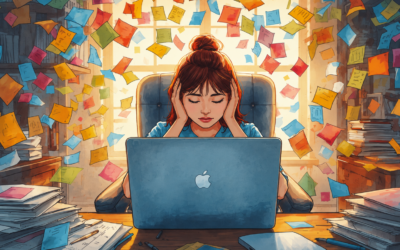
After one of those perfectly polite meetings, you shut the laptop and just sit there. Slumped shoulders, eyes still adjusting to real light. Thirty-five minutes of nodding, agenda points, the occasional awkward silence with someone’s dog barking in the background.
Nothing dramatic happened. No arguments, no big decisions. But there’s a void in your chest, as if someone took out a part of you and left the rest a little out of place. The fatigue lingers as you stroll to the kitchen, more than you’d expect after just what happened.
I’ve been there more times than I care to count. Initially, I thought of the usual suspects: blue light, poor posture, excessive screen time. Easy explanations. However, the cycle continued.
There were some calls I could shrug off. Some made me feel angry or depressed for hours, leaving me with an emotional burden that was unrelated to the discussion. It was that mismatch that got my attention. Not as some floating mystic, but as someone who has had enough of being hijacked by zoom meetings every day.
Video calls have a weird effect on us. You’re looking at your own face in that little corner box, and you’re seeing floating heads. Your nervous system remains hypervigilant to tone changes and micro-expressions that are just slightly delayed, but still feel off. It’s deeply unnatural. For those who are more attuned to the more subtle levels of interaction, it produces a sort of leakage. Energy, attention, whatever you call it, goes into the digital ether.
I used to think it was burnout or “the hots” whatever that is. Then I saw the tiredness was textured. It wasn’t just mental fog. It was as if someone had been through my personal space, leaving bits and pieces of my Zoom in various little squares. When it finally got through to me, everything about these meetings changed.
Why These Calls Drain Us So Quietly
 Humans developed reading whole rooms, the movement of bodies, the sense of air, eye contact etc. All that is flattened by Zoom. All of us are face-to-face, and everyone is watching one another. Include 10 different emotional undertones: a quiet panic from one, passive complaints from another, the low hum of unspoken competition. Whether you signed up for it or not, your system has to swim through that soup.
It is most easily sensed by sensitive people. It’s more of a trickle. One person’s stress runs over. Another’s neediness tugs. You remain professional, you remain present, that’s what adults do. But edges fray. Some parts of you are left behind in the call.
One afternoon I heard a totally neutral comment from a co-worker and replayed it in my mind for 20 full minutes after we hung up. My rational mind knew it was nothing. My body was still tight. That moment made “astral hygiene” sound like common sense self-care. Not necessarily crystals and incense, although sometimes. Simply being aware of what is not yours and not taking it with you as an emotional burden.
Most of Us Walk Around Far Too Open
 We live through days without any filters. Those who are interested in more profound issues of human connection in particular. There’s this romantic notion that being open is being evolved. In reality it simply means that you are a sponge for everyone else’s weather.
The fear of clicking on the link? Your system already has a memory. It is prepared to deal with the unprocessed garbage that regular people bring to common digital environments. Some people are like a broken heater. Others tug at you with unspoken needs. You don’t need to make a judgment about them. Absorbing does have to stop, by default.
I began to monitor it as a trial. Which calls left me cloudy? What kind of tension did it get in my chest? Patterns emerged quickly after I slowed down from the fatigue.
Fast Resets That Actually Clear the Fog
 Once the meeting is over, everyone goes straight to Slack or email. No true closure of the nervous system. It remains half in the conversation, with unfinished threads hanging.
That’s where little rituals come in. It’s not fancy or time-consuming. As soon as I press “Leave”, I get up, go to the sink and wash my hands with cold water. I let it run, picturing the surplus energy residue pouring off. Sounds ridiculously basic. Performs better than it ought to. Then, if I can, I go outside for five minutes or at least open a window and inhale some real air without any other screen to be seen.
Sometimes I do this quick sweep down my arms and legs and flick whatever is left to the ground. The body reacts to these rituals. It marks an ending.
Visualization was a later development and I didn’t want to acknowledge that it was effective. Simply closing my eyes and visualizing my scattered attention receding from all those little squares. Cords dissolving. Calmness returning to my center. Simple reclamation. The mind hears images more than we realize.
A salt bath at night is the icing on the cake on heavier days. Epsom salts, sea salt, anything around. I lie there and let the water do its thing, while my thoughts drift. The next morning, the difference is apparent. Not magic. It’s a simple maintenance for a system that was in an artificial environment for hours.
When the Room Itself Starts Holding the Weight
 Your physical space remembers too. The hours of performed focus and emotional static get baked into the walls, the desk, the chair. Your body begins to respond to the room before you even open the laptop.
I began opening windows between meeting blocks. Changed the lighting. Occasionally played music unrelated to work. Cleared the desk all the way. Little gestures that refreshes the system: This is my space again. We are impacted by environments, whether we realize it or not. A room that is cluttered and heavy makes the next zoom call more difficult even before it begins.
Boundaries Without Turning Paranoid
 The hard part is here. You don’t have to be an energy vampire with every irritating co-worker. That way of doing things leads to fatigue from constant hypervigilance. If you’re more anxious when you’re practicing spiritually, it’s anxiety in pretty clothes.
True hygiene builds up your strength. You still show up. You listen. You contribute. You simply don’t waste all your energy in interactions. It’s not about being less present. It’s about not being too present in situations that are meant to be distracting. Openness and depth are often confused for sensitive people. They’re not the same thing.
Sometimes I still get tired. Some personalities are more powerful than others. The difference now is the recovery time. The fog dissipates more quickly. The taste remains for hours. I no longer carry around full meetings in my pocket.
Being honest about what this really is
 Not all waves of fatigue are physical or spiritual. Sometimes it’s simply a case of being tired, dehydrated or overbooked. It’s easy to get caught up in the subtleties of energy and forget to deal with the obvious. Being a constant “empath” sometimes masks plain old self-indulgence.
Usually it’s both. Subtle layers talk to the body, body talks to the subtle layers, subtle layers talk to the mind, and mind talks to the subtle layers. Good hygiene means listening to the whole messy conversation without forcing one explanation over the others.
I don’t have a religious attitude towards any of this. Sometimes I forget all the rituals and pay for it in the evening. However, the overall trend is clear. I’m sitting down for calls that are more grounded. I leave with more of myself intact.
The Calls Aren’t Going Away
Hybrid working is not going away. The meetings will continue, one after another. But that emptiness that follows doesn’t have to be a foregone conclusion. It’s information, your system saying, “this is information I didn’t expect to see.” The answer doesn’t have to be complicated. Just consistent. Some deliberate pauses. Some interest in your own profession. Small closures that remind you you’re not a machine built for endless digital absorption.
You don’t need to leave fragments of yourself on other people’s screens. Not anymore. With a little care, repeated often enough, the whole thing lands. The gap creeps up on you. One day you wake up and you’re not feeling that sticky fatigue anymore, it’s not part of your job description. You’re just… lighter. More yourself. Not yet out of the meetings, but not lost in them either.
And, in all honesty, that’s enough reclamation.
The post How to Stop Feeling Drained After Zoom Calls Through Astral Hygiene appeared first on University of Metaphysical Sciences – Metaphysics College, School & Institute.